Safety Switch Installation: Why Every Home and Business Needs One
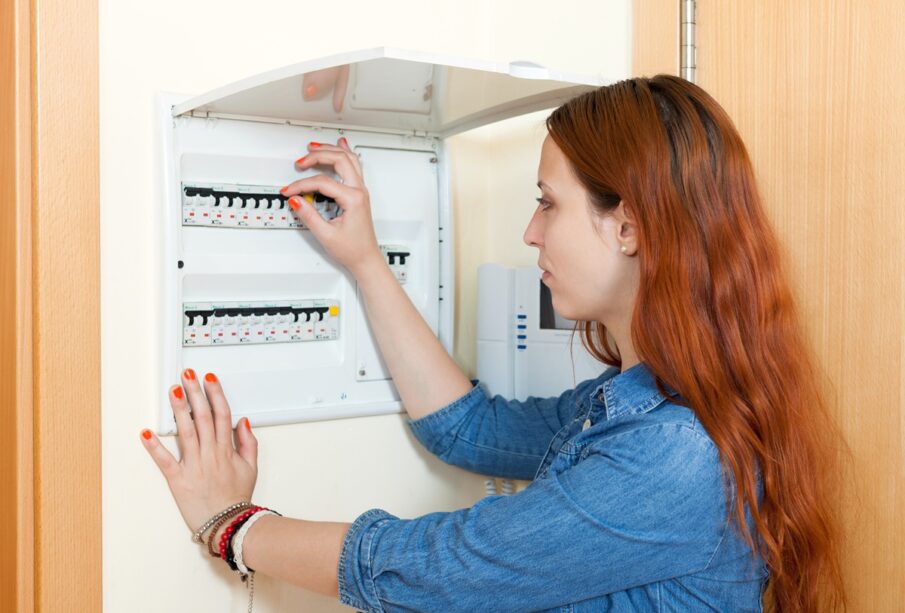
A safety switch is a small yet powerful device designed to prevent electrical shocks and fires by instantly cutting off the power if an electrical fault is detected. It acts like a vigilant guard, continuously monitoring the flow of electricity in your circuits and reacting the moment it detects an issue.
For example, if a live wire comes into contact with a metal object or a person, the switch will immediately cut the power supply to that circuit. It’s like an emergency brake that keeps you safe from serious harm.
These switches are also called Residual Current Devices (RCDs), and they’re a game changer when it comes to electrical safety. For most homes and businesses, safety switch installation is an affordable way to make sure everyone stays safe. They’re a small investment compared to the risks they help prevent.
How Safety Switches Serve and Protect Homes and Businesses
Safety switches are there for your safety. They’re not designed to protect your appliances, wiring, or any other equipment, that’s the job of circuit breakers and surge protectors.
Circuit breakers come into play when there’s too much current running through your electrical system, potentially damaging your appliances or wiring. Surge protectors kick in when there’s a spike in voltage that could damage your devices.
However, safety switches are different. They focus entirely on protecting you, the occupant of the home. Their job is to stop the flow of electricity when there’s a direct threat to human safety.
This could happen if there’s a damaged appliance, faulty wiring, or worn-out insulation that might cause an electrical leak. In these cases, safety switches act quickly to disconnect the power, preventing serious injuries or even fatalities.
While they often go unnoticed in the background, safety switches are essential to keeping your home or business safe from dangers that circuit breakers and surge protectors can’t protect against.
Legal Requirements for Safety Switch Installation
When it comes to electrical safety, there are laws you need to know about.
In New South Wales (NSW), it’s required by law that homes and businesses have safety switches installed. This is a legal obligation for anyone who owns a property.
If your home was built before 1977, it’s especially important to check whether you have the right equipment in place. Homes built before this time might not have safety switches or an earth rod, which means you could be at risk.
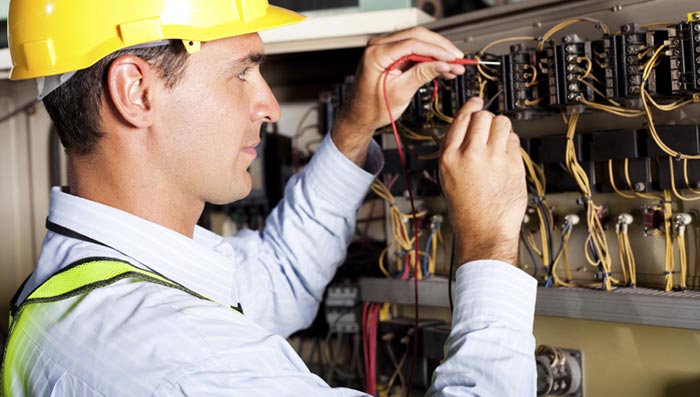
A licensed electrician in Perth needs to come in and handle the safety switch installation so they can install the necessary safety switches and possibly an earth rod to make sure your property is up to code. Failing to do so could put your family, employees, or tenants at serious risk.
For businesses, the stakes are even higher. Not only do you need to ensure your employees and customers are protected, but you must also meet the legal requirements to prevent any hazards. The law is crystal clear: if you own a business, you need safety switches in place.
If your home was built after 2000, you’re in luck; you likely have the necessary safety switches installed already. The law requires all homes built after this time to have safety switches installed on both power point and lighting circuits, so there’s comprehensive protection in place.
Even if you’re renting, electrical safety is still a top priority. Tenants have the right to know where the safety switches are and to ask to test them to make sure they’re working.
At the start of every tenancy, the landlord is required by law to check that the safety switch works and note this in the condition report. If you’re unsure whether the safety switch installation in your rental property was properly done or is functional, you should reach out to your landlord or property manager.
In shared buildings like apartments, safety switches might be located in common areas, so you might need to coordinate with the building’s strata manager to access and inspect them.
How to Check If Your Safety Switches are Installed Properly
The easiest way to know if you have a safety switch installed is by looking for the test/reset button on your switchboard. This button should be easy to find, and it’s a clear indicator that a safety switch is present.
Even if your property already has safety switches, it’s important to check that they’re covering all the electrical circuits in your home or business. That means your lights, power points, air conditioners, water heaters and appliances should all be connected to a safety switch.
In older homes, you might only have one safety switch for the entire house, which isn’t enough to keep everyone safe. Ideally, each circuit should have its own safety switch for maximum protection.
Wrapping Up
If you haven’t already installed safety switches on your property, or if you’re unsure whether your existing safety switches are adequate, now is the time to act. Don’t leave your family or employees exposed to unnecessary risks – reach out to a qualified electrician in Perth to assess your property and perform a safety switch installation or upgrade your current safety switches.
Also Read: DIY vs. Professional Repairs: Making Informed Decisions for Home Maintenance