Sustainable comfort: eco-friendly air conditioning services for a greener home
In the sweltering heat of summer, or the surprising chill of winter nights, a reliable air conditioning system is more than a luxury- it’s a necessity. But what if you could maintain a comfortable home environment while also minimising your environmental impact? The good news is you can. Let’s explore how to achieve sustainable comfort with eco-friendly air conditioning services.
This involves making informed choices about the type of system you install, how you use it, and who you choose to maintain it. By adopting a few simple strategies, you can significantly reduce your carbon footprint while enjoying a perfectly climate-controlled home. It’s about finding the balance between comfort, cost-effectiveness, and environmental responsibility.
Understanding the environmental impact of air conditioning
Traditional air conditioning systems can be energy-intensive, contributing to greenhouse gas emissions and increasing your power bills. Many older systems use refrigerants with high global warming potential, which can be harmful if leaked into the atmosphere. Understanding these impacts is the first step towards making more sustainable choices.
Consider the energy consumption of your current system. Older models are often less efficient, meaning they use more power to achieve the same level of cooling. Are you aware of the refrigerant used in your system? Some refrigerants are being phased out due to their environmental impact, so it’s worth checking what type your system uses.
The role of refrigerants
Refrigerants are essential for the cooling process, but some have a significant impact on the environment. Older refrigerants, like R-22, are being phased out due to their ozone-depleting properties. Newer refrigerants, such as R-32 and R-410A, have lower global warming potential but still require careful handling and disposal.
Choosing a system with a refrigerant that has a low global warming potential is a crucial step towards reducing your environmental impact. Also, regular maintenance can prevent leaks, ensuring that harmful refrigerants don’t escape into the atmosphere. Properly disposing of old refrigerants is also vital to prevent environmental damage.
Energy consumption and carbon footprint
The energy consumption of your air conditioner directly contributes to your carbon footprint. The more energy your system uses, the more greenhouse gases are emitted by the power plants that generate that electricity. Improving energy efficiency can significantly reduce your environmental impact and save you money on your power bills.
Upgrading to a more energy-efficient model is one of the most effective ways to reduce your carbon footprint. Simple changes in usage habits, such as setting the thermostat a few degrees higher and using timers, can also make a big difference. Combining these strategies can help you create a more sustainable and environmentally friendly home.
Choosing energy-efficient air conditioning systems
Selecting an energy-efficient air conditioning system is a smart investment that benefits both your wallet and the environment. Look for systems with high energy star ratings and advanced features like inverter technology. These systems use less energy to provide the same level of cooling, reducing your power bills and carbon footprint.
Consider the size of your home and your specific cooling needs when choosing a system. An oversized unit will cycle on and off frequently, wasting energy and reducing its lifespan. A properly sized, energy-efficient system will provide consistent comfort while minimising energy consumption.
Understanding energy star ratings
The energy star rating is a simple way to compare the energy efficiency of different air conditioning systems. The more stars a system has, the more energy-efficient it is. Look for systems with the highest possible energy star rating to maximise your energy savings and minimise your environmental impact.
When comparing energy star ratings, be sure to consider the specific model and its features. Some systems may have higher ratings due to advanced technologies like inverter compressors or smart controls. These features can further enhance energy efficiency and provide additional benefits.
Inverter technology and its benefits
Inverter technology is a game-changer in air conditioning efficiency. Unlike traditional systems that cycle on and off, inverter systems continuously adjust their cooling output to match the room’s temperature. This results in more consistent temperatures, reduced energy consumption, and quieter operation.
Inverter systems are also more durable than traditional systems, as they experience less wear and tear from frequent starts and stops. While they may have a higher upfront cost, the long-term energy savings and increased lifespan make them a worthwhile investment. It’s about thinking long-term for both your wallet and the environment.
The benefits of regular maintenance and professional servicing
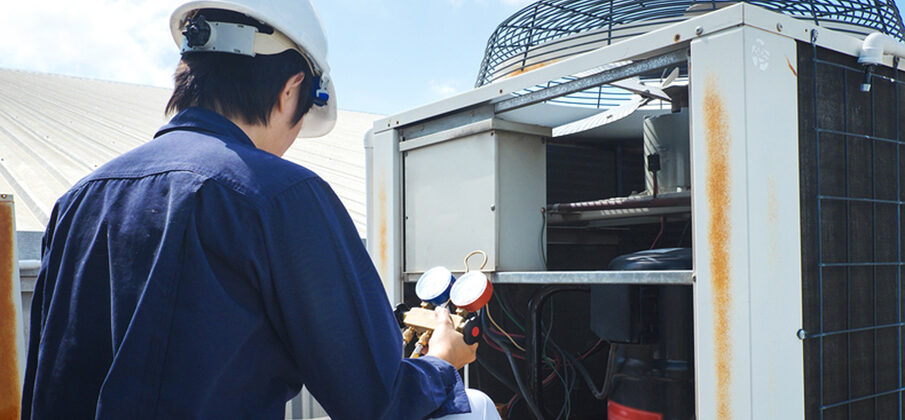
Regular maintenance is essential for keeping your air conditioning system running efficiently and reliably. A well-maintained system uses less energy, provides better cooling performance, and lasts longer. Professional air conditioning Mandurah can identify and address potential issues before they become major problems, saving you money and hassle in the long run.
Simple maintenance tasks, such as cleaning the air filters and clearing debris from the outdoor unit, can significantly improve your system’s performance. Schedule regular professional servicing to ensure that your system is operating at its peak efficiency and to address any underlying issues.
Why professional servicing matters
Professional servicing goes beyond simple maintenance tasks and involves a thorough inspection and tune-up of your air conditioning system. A qualified technician can identify and address issues like refrigerant leaks, electrical problems, and worn-out components. This ensures that your system is operating safely and efficiently.
Regular professional servicing can also extend the lifespan of your air conditioning system. By addressing potential problems early, you can prevent costly repairs and replacements down the road. It’s a small investment that can save you a lot of money and hassle in the long run.
DIY maintenance tips
While professional servicing is essential, there are also several DIY maintenance tasks that you can perform to keep your air conditioning system running smoothly. Cleaning the air filters regularly is one of the most important things you can do. Dirty air filters restrict airflow, reducing efficiency and potentially damaging the system.
Other DIY maintenance tasks include clearing debris from the outdoor unit, checking the condensate drain for clogs, and ensuring that the vents are not blocked. These simple tasks can help improve your system’s performance and extend its lifespan. Always remember to turn off the power to the unit before performing any maintenance tasks.
Integrating solar panels for sustainable cooling
For the ultimate in sustainable cooling, consider integrating solar panels with your air conditioning system. Solar panels generate clean, renewable energy that can power your air conditioner, reducing your reliance on fossil fuels and lowering your carbon footprint. It’s a win-win for your wallet and the environment.
Solar panels can also provide backup power during outages, ensuring that you can stay cool and comfortable even when the grid goes down. With government incentives and rebates available for solar panel installations, it’s becoming increasingly affordable to make the switch to solar power.
How solar panels can power your air conditioner
Solar panels convert sunlight into electricity, which can then be used to power your air conditioning system. By generating your own electricity, you can significantly reduce your power bills and your reliance on the grid. Any excess electricity that you generate can be fed back into the grid, earning you credits on your power bill.
A properly sized solar panel system can provide all the electricity needed to power your air conditioner, making your cooling system virtually carbon neutral. This is a significant step towards reducing your environmental impact and creating a more sustainable home.
Benefits of solar panel services
Investing in solar panel services offers numerous benefits, including reduced energy costs, increased home value, and a smaller carbon footprint. Solar panels are a long-term investment that can pay for themselves over time through energy savings and government incentives.
With the increasing focus on sustainability, solar panels are becoming a desirable feature for homebuyers. Installing solar panels can increase the value of your home and make it more attractive to potential buyers. It’s a smart investment that benefits both you and the environment.
Smart thermostat technology for efficient cooling
Smart thermostats are another great way to improve the energy efficiency of your air conditioning system. These devices allow you to control your thermostat remotely, set schedules, and monitor your energy usage. Some smart thermostats even learn your habits and automatically adjust the temperature to optimise comfort and energy savings.
With a smart thermostat, you can ensure that your air conditioner is only running when you need it, preventing energy waste and lowering your power bills. You can also receive alerts if your system is running inefficiently or if there are any potential problems. It’s like having a personal energy manager for your home.
Remote control and scheduling
One of the biggest benefits of smart thermostats is the ability to control them remotely via your smartphone or tablet. This allows you to adjust the temperature from anywhere, ensuring that your home is comfortable when you arrive and preventing energy waste when you’re away.
Smart thermostats also allow you to set schedules, so your air conditioner automatically adjusts the temperature based on your daily routine. This ensures that your home is always comfortable while minimising energy consumption. It’s a convenient and effective way to save energy and money.
Learning thermostats and energy monitoring
Some smart thermostats have learning capabilities, meaning they learn your habits and automatically adjust the temperature to optimise comfort and energy savings. These thermostats can also track your energy usage and provide insights into how you can further reduce your power bills.
By monitoring your energy usage, you can identify areas where you’re wasting energy and make adjustments to your cooling habits. This can help you further reduce your carbon footprint and save money on your power bills. It’s about making informed decisions based on real-time data.
Conclusion: embracing sustainable air conditioning for a greener future
Embracing sustainable practices in our homes is becoming increasingly important for protecting the environment and ensuring a healthier future for generations to come. By choosing energy-efficient air conditioning systems, integrating solar panels, and adopting smart thermostat technology, you can create a comfortable and eco-friendly home.
Making small changes in your cooling habits can also make a big difference. Set the thermostat a few degrees higher, use fans to circulate air, and close curtains during the hottest part of the day. These simple steps can help you reduce your energy consumption and your carbon footprint. Ultimately, choosing the best air conditioning solutions is more than just comfort, it’s about creating a better world.
Frequently asked questions
What is the best temperature to set my air conditioner for energy efficiency?
A good rule of thumb is to set your thermostat to 24-25 degrees Celsius when you’re at home and a few degrees higher when you’re away. This will provide a comfortable environment while minimising energy consumption.
How often should I change my air conditioner’s air filters?
Air filters should be changed every one to three months, depending on usage and air quality. Dirty air filters restrict airflow and reduce efficiency, so it’s important to keep them clean.
Are inverter air conditioners worth the extra cost?
Yes, inverter air conditioners are generally worth the extra cost due to their energy efficiency and longer lifespan. They use less energy than traditional systems and provide more consistent cooling.
Can I install solar panels myself?
While it’s possible to install solar panels yourself, it’s generally recommended to hire a professional. Solar panel installation involves electrical work and requires specific knowledge and expertise to ensure safety and efficiency.
What are the benefits of a smart thermostat?
Smart thermostats offer numerous benefits, including remote control, scheduling, energy monitoring, and learning capabilities. They can help you save energy and money by optimising your cooling habits.