
3 Must-Know Tips For Bare-Root Planting
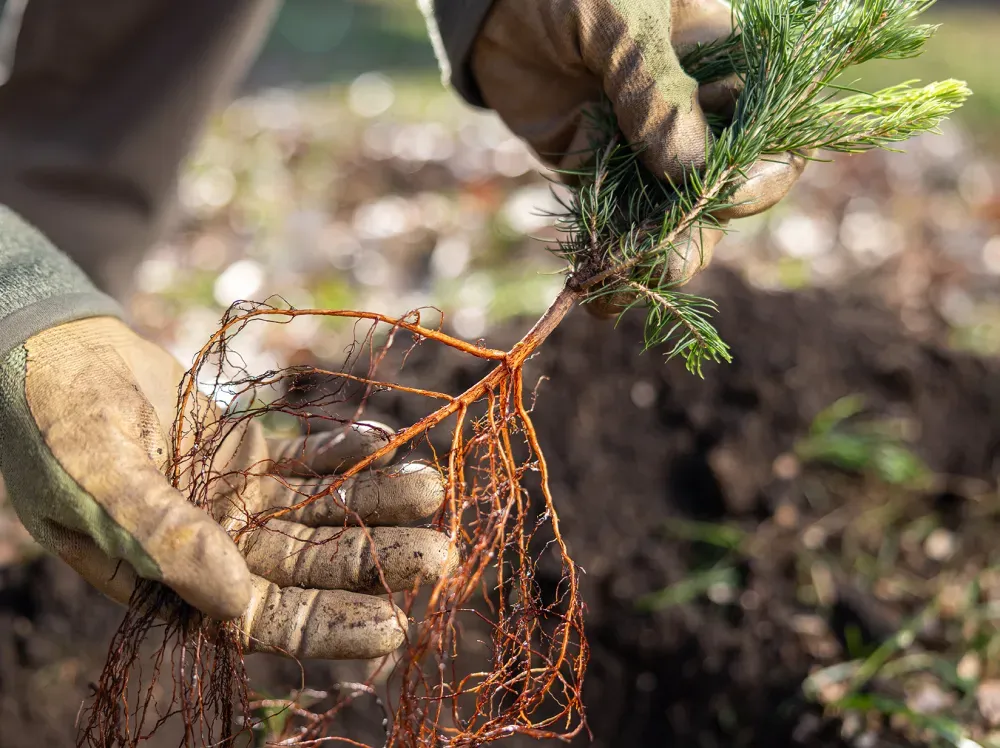
Bare-root planting offers an economical and effective way to establish fruit trees in British gardens. This method, involving trees lifted from nursery fields without soil around their roots, is particularly suited to the dormant season from November to March. For gardeners seeking to create a productive orchard or add a single fruit tree to a small plot, understanding the essentials of bare-root planting is critical. This article provides three key tips to ensure success, drawing on practical insights for UK conditions. A nursery specialist from ChrisBowers, a trusted supplier of fruit trees, advises: “Proper preparation and timing are vital for bare-root planting. Soak the roots before planting and ensure the graft union remains above soil level to prevent rootstock issues. For a wide selection of bare-root fruit trees, choose varieties suited to your region’s climate and soil.” This guidance underscores the importance of informed choices when sourcing fruit trees for sale.
Bare-Root Planting and Its Benefits
Bare-root planting refers to the process of transplanting trees or shrubs that have been dug up from nursery fields during their dormant phase, typically between late autumn and early spring. Unlike container-grown plants, bare-root trees arrive without soil encasing their roots, making them lighter, easier to transport, and significantly more affordable. For British gardeners, this method is particularly appealing due to its cost-effectiveness and the wide variety of fruit trees for sale during the dormant season. Nurseries often offer an extensive range of cultivars, including heritage and disease-resistant varieties, which may not be available as potted plants.
The primary advantage of bare-root planting lies in its ability to promote robust root development. Since the roots are not confined to a pot, they can spread freely into the native soil, establishing a strong foundation. This is especially beneficial in the UK, where diverse soil types—from heavy clay to well-drained loam—require plants to adapt quickly. Bare-root trees also experience less transplant shock compared to container-grown counterparts, as they are dormant during planting and less likely to suffer from environmental stress. Additionally, the absence of plastic pots makes bare-root planting an environmentally friendly choice, reducing waste and resource use.
However, bare-root planting demands careful timing and handling. The trees must be planted while dormant, ideally between November and March, when the ground is neither frozen nor waterlogged. This period aligns with the UK’s cooler, wetter months, providing optimal conditions for root establishment before spring growth. Gardeners must act promptly upon receiving bare-root trees, as exposed roots are vulnerable to drying out. By understanding these fundamentals, gardeners can maximise the benefits of bare-root planting and ensure long-term success.
Tip 1: Prepare the Site and Roots Meticulously
Preparation is the cornerstone of successful bare-root planting. Before a tree arrives, gardeners should assess their site to ensure it meets the needs of the chosen fruit tree. Most fruit trees require a sunny location with at least six hours of direct sunlight daily, as insufficient light can reduce fruit production. Soil drainage is equally critical, as waterlogged conditions can harm roots, particularly for sensitive species like cherries and apricots. To test drainage, dig a hole 30 centimetres deep, fill it with water, and observe how quickly it drains. If water remains for more than a few hours, consider planting on a raised mound to improve drainage.
Once the site is selected, prepare the planting hole in advance. The hole should be two to three times wider than the root spread but no deeper than the longest root. A wide, shallow hole encourages lateral root growth, which is essential for stability and nutrient uptake. Avoid digging too deep, as this can cause the tree to sink over time, potentially burying the graft union—the point where the fruiting variety is joined to the rootstock. The graft union, visible as a slight bulge near the base of the trunk, must remain two to three centimetres above soil level to prevent the rootstock from producing unwanted shoots.
Upon receiving a bare-root tree, inspect the roots for signs of dryness or damage. If the roots appear shrivelled, soak them in a bucket of tepid water for 30 minutes to two hours, but no longer, as prolonged soaking can harm delicate roots. Trim any broken or excessively long roots with clean secateurs to promote healthy growth. If planting is delayed due to weather or other factors, heel the tree into a temporary trench filled with moist soil or compost to keep the roots protected. This meticulous preparation ensures the tree is ready to thrive in its new environment.
Tip 2: Plant with Precision and Support
Planting a bare-root fruit tree requires attention to detail to establish a strong foundation. Begin by creating a small mound of soil in the centre of the planting hole to support the tree’s roots. Spread the roots evenly over this mound, ensuring they are not bent or crowded. This technique, sometimes referred to as the “octopus on a hill” method, encourages roots to grow outward and downward, anchoring the tree effectively. Hold the tree upright to ensure it is vertical, and check that the graft union remains above the soil surface.
Backfill the hole with the excavated soil, gently firming it around the roots to eliminate air pockets. Avoid adding fertilisers or amendments to the planting hole, as these can burn young roots or disrupt establishment. Instead, rely on the native soil to encourage the roots to adapt to their surroundings. Once the hole is filled, create a shallow basin around the tree’s base to retain water, and water thoroughly to settle the soil. A layer of organic mulch, such as bark chips or compost, applied two to three inches deep around the base—but not touching the trunk—helps retain moisture and suppress weeds.
Staking is often necessary to prevent wind rock, particularly in exposed UK gardens. Drive a sturdy stake into the ground before backfilling to avoid damaging the roots. Position the stake on the windward side, about 30 centimetres from the trunk, and secure the tree with a flexible tree tie, ensuring it is firm but not constrictive. For dwarf fruit trees, a single stake extending 1.8 metres above ground is sufficient, while larger trees may require two stakes. Regular checks during the first year ensure the tie does not rub against the bark, which could cause damage.
Tip 3: Provide Ongoing Care for Establishment
Post-planting care is essential to help bare-root fruit trees establish and thrive. Watering is a priority, particularly in the first year. While winter planting typically requires minimal watering due to natural rainfall, gardeners should monitor soil moisture during dry spells. In spring, as the tree begins to leaf out, check the soil two to four inches below the surface. If it feels dry, provide a thorough soaking, allowing water to penetrate the root zone. A soaker hose or drip irrigation system can deliver water efficiently, ensuring it reaches the entire root mass.
Pruning is another critical aspect of care. After planting, trim the tree’s crown by about one-third to balance the root-to-shoot ratio, which encourages vigorous growth. For fruit trees, early pruning shapes the tree’s structure, promoting an open framework that allows light and air to reach the branches. Remove any weak or crossing branches, and shorten main branches to two or three buds to stimulate strong scaffold branches. Consulting a pruning guide specific to the tree variety—such as apples, pears, or plums—ensures optimal results.
Protection from pests and environmental factors is also vital. In rural or large gardens, rabbits and deer can damage young trees. Install spiral tree guards or wire mesh around the trunk to deter these animals. Avoid plastic tube guards, as they can trap moisture and harm the tree. In areas with heavy clay soil, ensure the tree is planted on a slight mound to prevent waterlogging. Regular monitoring during the first growing season allows gardeners to address issues promptly, ensuring the tree establishes a robust root system.
Choosing the Right Fruit Trees for Your Garden
Selecting the right fruit tree is as important as the planting process itself. When browsing fruit trees for sale, consider varieties suited to UK climates and your garden’s conditions. Apples, such as ‘Fiesta’ or ‘Conference’ pears, are popular choices due to their adaptability to various soils and reliable yields. For smaller gardens, dwarf or semi-dwarf rootstocks are ideal, as they limit tree size while producing ample fruit. Espalier or cordon forms are also excellent for space-constrained plots, allowing trees to be trained along walls or fences.
Pollination requirements are another key consideration. Many fruit trees, particularly apples and pears, require a compatible pollinator nearby to produce fruit. Nurseries often provide pollination group information to guide selection. For example, choosing varieties like ‘Bramley’ and ‘Cox’s Orange Pippin’ ensures cross-pollination and maximises fruit set. If space is limited, consider multi-grafted trees, which combine several varieties on a single rootstock, eliminating the need for multiple trees.
Soil type and regional climate also influence variety choice. In wetter regions like the West Country, select trees tolerant of heavier soils, such as ‘Brown Turkey’ figs. In colder northern areas, hardy varieties like ‘Lord Lambourne’ apples perform well. Consulting with a reputable nursery, such as those offering fruit trees for sale online, provides access to expert advice and a diverse selection of bare-root options tailored to British gardens.
Long-Term Benefits and Considerations
Bare-root planting offers long-term rewards for gardeners willing to invest time and care. These trees often establish faster than container-grown counterparts, as their roots are not constrained by pots, allowing them to adapt to native soil conditions. This leads to healthier, more resilient trees capable of producing fruit for decades. The cost savings of bare-root trees also make them an attractive option for creating orchards or adding multiple trees to a garden.
However, gardeners must remain vigilant during the establishment phase. Regular monitoring for signs of stress, such as wilting leaves or stunted growth, allows for timely intervention. Adjusting watering schedules based on weather conditions and maintaining a weed-free zone around the tree’s base are simple yet effective practices. Over time, bare-root trees develop into productive assets, offering not only fruit but also aesthetic value, from spring blossoms to autumnal foliage.
For those new to gardening, bare-root planting may seem daunting, but its simplicity and affordability make it accessible to beginners and seasoned gardeners alike. By following these three must-know tips—meticulous preparation, precise planting, and diligent aftercare—British gardeners can successfully establish fruit trees that enhance their outdoor spaces and provide bountiful harvests.
Conclusion
Bare-root planting is a time-honoured method that aligns perfectly with the UK’s gardening calendar and climate. By preparing the site and roots carefully, planting with precision, and providing consistent aftercare, gardeners can ensure their bare-root fruit trees thrive. The availability of diverse fruit trees for sale during the dormant season offers an opportunity to select varieties that suit individual gardens, from compact urban plots to sprawling rural landscapes. With patience and attention, these trees will reward gardeners with years of beauty and productivity, making bare-root planting a cornerstone of successful fruit tree cultivation.