Wall Art Ideas for Large and Small Spaces
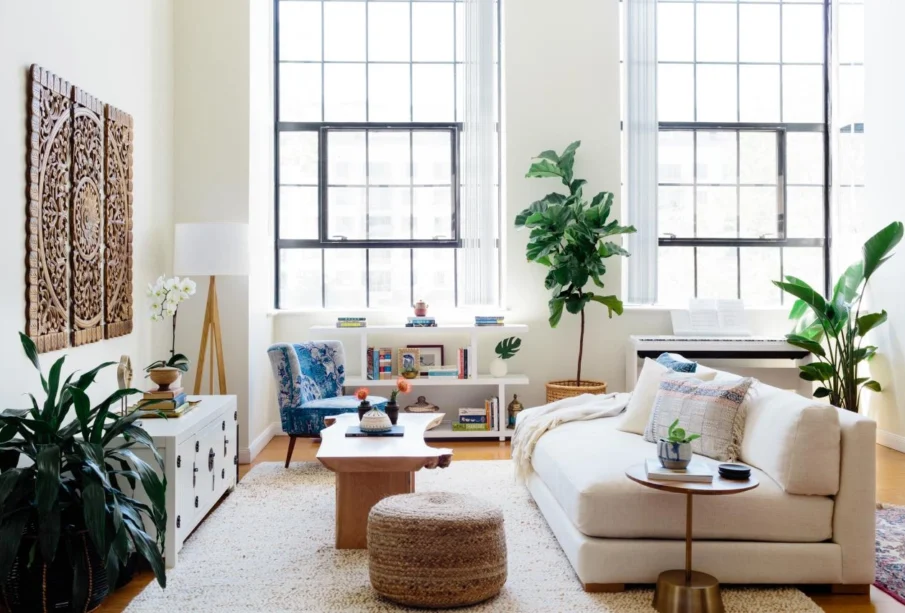
Wall Art Ideas for Large and Small Spaces can dramatically influence how a room feels, functions, and reflects personal style. Walls make up a major part of the visual field in any room, which means the artwork and decorative choices placed on them have a powerful effect on atmosphere. Whether you are designing for a sprawling living room or a compact studio apartment, the key is understanding scale, placement, and the emotional tone you want to convey. Thoughtful wall art selection turns plain walls into meaningful focal points that add depth, warmth, and personality.
When choosing art, the goal is not just to fill empty space. It is to create visual connectivity between furniture, color schemes, textures, and architectural elements. Well-planned wall art contributes to balance, cohesion, and a sense of completeness in a room, regardless of its size.
Understanding Scale and Proportion in Wall Art
Selecting the right artwork size is the foundation of successful wall design. Scale ensures that art complements the room instead of overpowering or getting lost in it.
Large Spaces Require Visual Weight
In large living rooms, open hallways, dining rooms, or high-ceilinged entryways, small art pieces can feel insignificant. Large-scale art anchors the room and provides a visual reference point.
Consider:
- Oversized canvas paintings spanning 60 inches or more
- Large photographic prints with dramatic composition
- Sculptural wall pieces that offer dimension rather than flat imagery
Large art helps prevent the room from appearing empty or echoing, especially when ceilings are high.
Small Spaces Benefit from Thoughtful Arrangement
In smaller rooms, a single oversized piece can overwhelm the space. Instead, smaller-scale pieces grouped intentionally create visual rhythm without overpowering the area.
Approaches for small rooms:
- A gallery wall with consistent spacing and shared theme
- Two or three medium-size pieces arranged symmetrically
- Long horizontal artworks that visually widen the room
The goal is to create harmony without clutter.
Choosing Themes and Styles That Reflect Identity
Wall art should feel personal and meaningful. Rather than selecting pieces purely for decoration, choose themes that resonate emotionally or tell a story.
Abstract Art for Emotional Atmosphere
Abstract art works well in both large and small spaces due to its flexibility. The color palette and movement of the design influence how a room feels. Abstract art encourages imagination and emotional interpretation.
Nature-Inspired Artwork for Calm and Balance
Photography, botanical prints, landscape paintings, and natural textures bring serenity to interiors. They are particularly useful in bedrooms and relaxation spaces, where visual calmness is desired.
Cultural and Historical Artwork for Depth and Story
Maps, heritage symbols, travel photography, and handcrafted textiles add authenticity and narrative. These pieces connect the home to personal history or global influence.
Color Coordination with Existing Interior Design
Wall art must integrate with the room’s existing color palette. A cohesive palette increases visual harmony and reduces sensory clutter.
Complementary Color Strategy
Choose artwork that features colors already present in the room. This builds unity and prevents the artwork from feeling disconnected.
Accent Color Strategy
Select art that introduces a new accent color to energize the room. Accent colors should appear in:
- Pillows
- Textiles
- Rugs
- Accessories
This creates an intentional layered look.
Neutral Artwork for Minimalist or Soft Interiors
Monochromatic sketches, black and white photography, and tone-on-tone paintings keep the environment calm and balanced.
Textured and Dimensional Wall Art for Added Depth
Flat artwork is not the only way to decorate walls. Textured or sculptural elements add depth and tactile interest.
Options include:
- Macrame or woven wall hangings
- Carved wood panels
- Metal art sculptures
- Framed fabric or tapestry pieces
These additions introduce warmth and soften large expanses of plain wall.
Wall Art Ideas for Large Spaces
Large spaces offer greater flexibility, but they require mindful planning to avoid emptiness or disconnection.
Oversized Statement Art
One large statement piece can define an entire room. It should reflect the energy and purpose of the space.
Examples:
- A bold abstract canvas above a sofa
- A panoramic landscape in the dining room
- A dramatic portrait in a hallway
Large art should be hung at eye level to remain approachable.
Triptych and Multi-Panel Artwork
Triptych art divides one image across multiple panels. This visually enhances scale while retaining balance. It works well on long walls.
Art Above Furniture
For balanced composition, the art should be:
- About two-thirds the width of the furniture beneath it
- Hung 6 to 8 inches above the furniture surface
This forms a visually connected grouping that feels intentional.
Wall Art Ideas for Small Spaces
In small rooms, the goal is to enhance perceived openness rather than crowding the walls.
Gallery Walls with Consistent Framing
A gallery wall can be calming when frames share a common color or style. Mixing frame colors and artwork themes can feel cluttered unless carefully curated.
Vertical Art to Increase Height Perception
Use tall, narrow artwork to visually raise the ceiling. This technique is especially effective in apartments with standard or low ceiling heights.
Mirrors as Functional Art
Mirrors reflect light, expand space, and add elegance. Choose frames that align with the room’s style.
Floating Shelves for Rotating Art
Floating shelves allow rotating artwork seasonally or by mood. This adds adaptability without adding clutter.
Creative Placement Techniques
Placement influences how the artwork shapes the room.
Centering Art with Purpose
Art should be centered relative to something meaningful:
- A sofa
- A console table
- A window
- The room’s focal architectural feature
Avoid centering art merely by wall width unless no furniture is present.
Layering Art on Shelves and Mantels
Rather than hanging every piece, lean framed art on shelves or mantels. Overlapping frames creates casual depth and prevents overly structured appearance.
Designing with Negative Space
Empty wall space is valuable. It allows the eye to rest and enhances the impact of the art. Avoid filling every wall just because it is available.
Incorporating Personal Artwork and Handmade Pieces
The most memorable interiors include personal expression. Handmade pieces do not need to be perfect to be meaningful.
Ideas:
- Family photographs printed in archival quality
- Artwork made during travel or meaningful life moments
- Pieces from local artists or craft makers
- Sketches, calligraphy, or poetry displayed in frames
A living space becomes emotionally engaging when art connects to memory and identity.
Frequently Asked Questions
How high should artwork be hung on the wall?
Artwork is best hung with its center at eye level, typically around 57 to 60 inches from the floor. When hanging art above furniture, place it 6 to 8 inches above the top edge of the furniture to maintain visual connection.
What if my walls are textured or brick?
Use anchors and appropriate mounting hardware for textured surfaces. For brick walls, brick clips or masonry screws provide secure support. Alternatively, leaning artwork on floating shelves avoids drilling.
Can I mix different art styles in one room?
Yes, but balance is key. Maintain cohesion through color palette, frame style, or thematic connection. If the mix feels chaotic, simplify by removing one or two pieces until harmony is restored.
How do I choose the right frame?
Frames should support the artwork rather than overpower it. Thin frames work well in modern interiors, while wood frames add warmth and texture. Matching frame colors across multiple pieces creates unity.
How do I decorate walls without overspending?
Start with smaller prints, photography, or prints from independent artists. Combine with handmade pieces or framed personal memories. The emotional resonance matters more than the price.