5 ways Tasmanian oak furniture elevates your interior design style
When you are planning a redesign or simply updating a few key pieces in your home, the choice of material is everything. It sets the tone, dictates the durability, and ultimately defines the atmosphere of the space. While trends come and go, nothing beats the enduring quality of solid timber. But which timber offers the perfect blend of resilience, versatility, and timeless beauty?
We often find that homeowners are looking for investment pieces that will stand up to the rigours of family life while offering a sophisticated aesthetic. If this sounds like you, then it’s time to consider the distinctive appeal of high-quality Tasmanian oak timber pieces. Renowned for its strength and pale, creamy colouring, this timber is not just a structural choice; it’s a design statement. It offers a unique opportunity to optimise the light and flow in any room, whether you live in a coastal cottage or a modern apartment.
The timeless appeal of Tasmanian oak
Tasmanian oak isn’t a single species; it’s a collective term for three eucalypt species (E. delegatensis, E. obliqua, and E. regnans) grown in the cool, temperate forests of the region. This grouping results in a timber that is celebrated by cabinetmakers and tradies alike for its consistent grain, hardness, and ease of finishing. It’s a reliable choice that has serviced homes across the country for generations, proving itself as a dependable material for everything from flooring to intricate furniture.
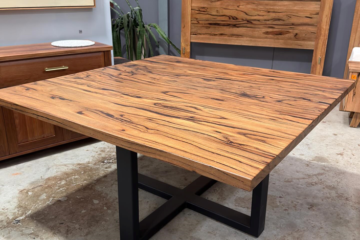
The beauty of this timber lies in its subtlety. Unlike some darker hardwoods that dominate a space, Tasmanian oak offers a neutral, yet warm, canvas. Its natural colouring ranges from pale straw to a light reddish-brown, often featuring a straight, open grain that accepts stains and polishes beautifully. This characteristic allows you to tailor the final look precisely to your interior design scheme, ensuring seamless integration with existing décor.
Superior durability and resilience
One of the primary benefits of choosing solid timber, and particularly quality Tasmanian oak, is the sheer longevity it offers. We’re talking about furniture that is built to last, minimising the need for replacements down the track. When you invest in robust, well-constructed Tasmanian oak furniture, you are buying a piece that can be sanded, refinished, and loved again and again.
Consider the daily wear and tear that furniture endures. Kids doing homework at the kitchen table, keys dropped on a hall console, or the constant shifting of items on a buffet. Tasmanian oak stands up to this pressure remarkably well. Moreover, because it is a dense hardwood, it maintains its structural integrity over time, resisting warping and movement, which is critical for large items like tables and cabinets.
5 ways Tasmanian oak furniture transforms your home
Beyond the practicalities of strength and durability, Tasmanian oak brings a specific aesthetic quality that can fundamentally elevate your living spaces. Here are five key ways these elegant timber pieces can be used to transform your home’s interior design style.
- Creating a light, airy foundation
In our climate, we are constantly striving to maximise natural light and create spaces that feel open and breezy. Dark, heavy furniture can often make a room feel smaller and more enclosed. This is where the light hue of Tasmanian oak truly shines. By introducing pieces crafted from this pale timber, you instantly brighten the room.
The reflective quality of the wood helps bounce light around the space, making it feel larger and more welcoming. This effect is particularly useful in smaller living areas or in rooms that don’t receive direct sunlight. If you are aiming for a contemporary, Scandi, or coastal look, the light Tasmanian oak timber is the natural starting point for your design.
- Versatility across design styles
The neutral colouring and fine grain of Tasmanian oak make it incredibly versatile. Unlike highly patterned or deeply coloured timbers that might pigeonhole you into a specific design era, this wood acts as a chameleon, adapting effortlessly to different interior styles:
- Modern Minimalist: Its clean lines and simple finish complement the uncluttered ethos of minimalism.
- Rustic/Farmhouse: When finished with a slightly coarser texture or a matte lacquer, it brings warmth and authenticity.
- Traditional: The strength and classic structure of the wood lends itself perfectly to more formal, enduring designs.
- Eclectic: It provides a stable, grounding element that allows you to mix and match bolder colours and textures elsewhere in the room.
This versatility means that if you decide to change your wall colours or update your soft furnishings in five years, your core investment in Tasmanian oak pieces will remain relevant and stylish.
- Investment in longevity
High-quality furniture should be viewed as an investment, much like property or shares. Opting for solid hardwood over particleboard or veneers ensures that your furniture retains its value and utility for decades. When we talk about longevity, we are not just talking about structural integrity; we are talking about sustainability and craftsmanship.
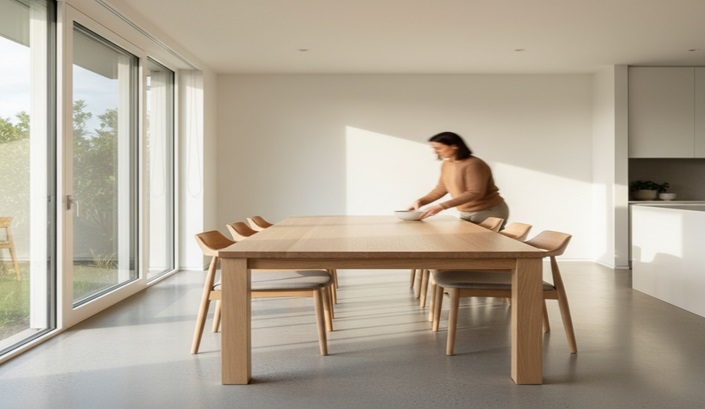
Choosing locally sourced and expertly crafted Tasmanian oak means supporting responsible forestry practices and skilled local artisans. Furthermore, the inherent durability of the wood means less waste and a lower environmental footprint compared to frequently replacing cheaper, mass-produced items. A well-maintained timber piece becomes a cherished heirloom, passed down through the generations, making sturdy Tasmanian oak dining table serves as the ultimate anchor for this space.
The timber’s natural resistance to dents and scratches makes it ideal for high-traffic areas. Imagine setting the table for a big Sunday roast; the light colour of the oak complements almost any tableware, whether you favour crisp white porcelain or earthy stoneware. Furthermore, pairing the oak table with upholstered chairs in contrasting colours or textures can create a stunning focal point. If you need complementary pieces, the consistency of the grain allows you to easily find matching Tasmanian oak furniture, such as sideboards or display cabinets, to complete the entertaining area.
- Sophisticated storage and display
In contemporary living, managing clutter is essential for maintaining a calm, organised environment. Storage solutions need to be practical, but they should also be beautiful design elements in their own right. Whether housing your entertainment system or displaying curated objects, dedicated storage pieces like a functional Tasmanian oak TV unit or a sleek buffet are indispensable.
The light, clean finish of the oak ensures that even large storage units don’t overwhelm the room. They provide necessary density and structure without absorbing all the light. When selecting a piece, look for craftsmanship that highlights the timber’s natural characteristics, such as dovetailed drawers and smooth, recessed handles. This attention to detail elevates the entire unit, transforming a simple storage solution into a refined piece of Tasmanian oak furniture.
Considering alternatives: the richness of blackwood
While Tasmanian oak is celebrated for its lightness and versatility, sometimes an interior design scheme calls for a deeper, more dramatic tone. If your home features darker flooring, bold wall colours, or if you simply prefer a more traditional, weighty aesthetic, you might consider Tasmanian blackwood timber as a sophisticated alternative or complement.
Blackwood is known for its exquisite, rich golden-brown to dark reddish-brown colouring, often featuring spectacular figuring in the grain. It offers a luxurious, almost regal feel that works wonderfully in formal dining rooms or studies. Pairing the lightness of your tasmanian oak tables and chairs with the deep tones of an elegant blackwood buffet, for example, creates a dynamic contrast that adds depth and visual interest to the space. This mix of light and dark timbers is a highly effective technique used by interior designers to organise and define different zones within an open-plan living area.
Final thoughts on choosing solid timber
The decision to furnish your home with quality timber is a commitment to enduring style and functionality. It’s about choosing materials that reflect quality and craftsmanship, ensuring your investment pays dividends in both aesthetics and durability. Whether you decide to focus entirely on the light, bright appeal of Tasmanian oak or introduce contrasting pieces using blackwood, always prioritise the construction and finish.
Ensure that the pieces you select meet high standards for local building codes and quality assurance. When you choose expertly crafted solid timber furniture, you are not just purchasing a table or a cabinet; you are acquiring a piece of natural artistry that will enrich your home for a lifetime, adapting seamlessly as your personal style evolves and changes.