Sustainable Architecture for Modern Homes
Sustainable Architecture for Modern Homes is transforming the way people design, build, and live in residential spaces. As environmental awareness grows and energy efficiency becomes more important, homeowners are looking beyond aesthetics and focusing on long-term resource conservation, lower utility costs, and healthier indoor environments. Modern sustainable homes use thoughtful design decisions, environmentally responsible materials, and energy-efficient systems to enhance comfort while minimizing environmental impact.
Understanding the Core Principles of Sustainable Home Design
Sustainable architecture is not simply about installing solar panels or using recycled materials. It is a holistic approach that considers the entire lifecycle of a home, from initial construction and daily use to renovation and eventual deconstruction. Every choice matters. The goal is to reduce waste, conserve energy, support local ecosystems, and create a durable home that retains integrity over generations.
Key principles include:
- Efficiency: Using less energy and water without sacrificing comfort.
- Durability: Selecting materials that last longer and require less maintenance.
- Health: Improving air quality and interior environments for well-being.
- Harmony: Integrating the home with its natural surroundings instead of disrupting them.
Site Planning and Positioning for Natural Advantage
Where a home is placed on a property and how it is oriented in relation to the sun, wind, and landscape significantly determines its energy performance. Sustainable architecture leverages natural forces to reduce mechanical heating and cooling needs.
Optimal Orientation for Sunlight
The strategic placement of windows and living spaces can take advantage of passive solar heating during winter while minimizing heat gain during hotter months. Large south-facing windows in cooler regions can help warm interior spaces naturally, while overhangs, pergolas, and shading trees can prevent overheating during summer.
Using Natural Wind Patterns
Cross-ventilation keeps the air moving inside a home without relying solely on air-conditioning. Positioning windows and vents along prevailing wind paths reduces humidity and improves comfort.
Conserving Existing Landscape
Instead of clearing trees and vegetation, sustainable design seeks to preserve native landscapes. Existing trees offer shade, privacy, and natural cooling. Native plants require less irrigation and support local wildlife such as pollinators and birds.
Sustainable Building Materials That Last and Protect the Environment
One of the strongest ways to reduce environmental impact is by choosing resilient, low-toxicity, responsibly sourced building materials. These choices also influence indoor air quality and maintenance costs.
Natural and Recycled Materials
Materials like bamboo, reclaimed wood, rammed earth, cork, and recycled metal reduce pressure on finite resources. They also contribute unique textures and warmth to interior spaces.
Low-VOC Finishes
Volatile Organic Compounds (VOCs) are chemicals that evaporate into the air and contribute to indoor pollution. Choosing low-VOC paints, adhesives, and finishes helps maintain healthier indoor air quality, especially important for families or individuals with respiratory sensitivities.
High-Performance Insulation
Effective insulation reduces heating and cooling loads. Modern sustainable homes often use:
- Cellulose insulation made from recycled paper
- Mineral wool that resists fire and moisture
- Structural insulated panels that improve building airtightness
Energy Efficiency and Renewable Power Integration
A major hallmark of sustainable homes is the reduction of operational energy use. This includes insulation, appliance efficiency, and the adoption of renewable energy.
Passive Solar Design
Passive design reduces reliance on heating and cooling systems by using natural forces. Features may include:
- Thermal mass walls that store and release heat slowly
- Windows optimized to capture winter sun
- Roof overhangs sized according to seasonal solar angles
Renewable Energy Sources
Solar panels are the most common renewable system used in residential architecture. They can power lighting, appliances, and heating systems. Homes in windy regions may integrate compact residential wind turbines, and geothermal heat pumps are increasingly popular for maintaining stable indoor temperatures year-round.
High-Efficiency Appliances and Lighting
LED lighting, Energy Star-rated appliances, induction cooktops, and heat pump water heaters ensure minimal ongoing energy waste.
Water Conservation and Management Innovations
Responsible use of water is critical in sustainable home design. Modern solutions help reduce consumption, capture rainwater, and reuse greywater.
Smart Indoor Fixtures
Low-flow faucets, dual-flush toilets, and water-efficient dishwashers can reduce daily water consumption significantly without affecting performance.
Outdoor Water Strategies
- Rain barrels or underground cisterns can capture rainwater for irrigation.
- Permeable paving prevents runoff and allows rain to filter naturally back into groundwater sources.
- Native plants and drought-resistant landscaping reduce the need for irrigation.
Greywater Reuse Systems
Water from bathroom sinks, showers, and laundry machines can be treated and reused for watering gardens or flushing toilets. This reduces waste and conserves freshwater resources.
Indoor Environmental Quality and Personal Well-Being
A healthy living environment is just as important as material and energy efficiency. Indoor spaces should support physical comfort, psychological well-being, and overall enjoyment of life.
Air Quality and Ventilation
Mechanical ventilation systems with HEPA filtration ensure fresh, clean air circulates consistently. Operable windows in living areas provide natural airflow and connection to the outdoors.
Natural Light and Biophilic Design
Daylighting reduces the need for artificial lighting while improving mood and productivity. Biophilic design incorporates natural textures, plant life, and views of greenery to create calming living environments.
Acoustic Comfort
A well-designed sustainable home pays attention to sound control through insulation materials, acoustic panels, and thoughtful room placement.
Smart Home Technology for Sustainability
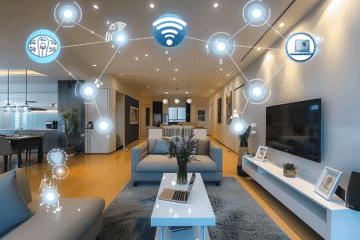
Modern smart home systems enhance sustainability by automating energy use. These technologies monitor temperature, humidity, lighting, and security.
Examples include:
- Smart thermostats that learn occupant behavior and adjust heating and cooling automatically
- Lighting systems that dim or shut off based on daylight availability
- Water leak detectors that prevent waste and damage
- Real-time energy monitoring dashboards that show consumption patterns
Building for Longevity and Adaptability
Sustainable architecture values long life over short trends. Homes should be designed to accommodate future needs, making them not only eco-friendly but financially wise.
Flexible Layouts
Movable walls, multipurpose rooms, and open designs allow families to reconfigure spaces without major renovations.
Durable Construction
Materials that resist mold, moisture, pests, and structural decay reduce the need for replacements, lowering long-term environmental impact.
Easy Maintenance
Design choices that simplify cleaning and repair save money and reduce resource use over time.
Real-World Application and Lifestyle Integration
A sustainable home is not just a building; it supports a sustainable lifestyle. Homeowners often embrace habits like composting, growing herbs and vegetables, air-drying laundry, and minimizing waste. The architecture enables these habits by providing inviting outdoor spaces, storage for reusable containers, and layouts that encourage natural ventilation and light.
Frequently Asked Questions
How can homeowners transition an existing house into a more sustainable one?
Start with small upgrades like LED lighting, improved insulation, air sealing, and installing low-flow plumbing fixtures. Over time, consider adding solar panels, upgrading windows, or replacing old appliances with energy-efficient models.
Is sustainable architecture more expensive than traditional construction?
Initial costs may be slightly higher due to specialized materials or systems. However, energy savings, reduced maintenance, and increased durability often result in long-term cost benefits.
What role does landscaping play in sustainable home design?
Landscaping affects water use, cooling, privacy, and local biodiversity. Choosing native plants, preserving trees, and designing shade structures all contribute to sustainable outdoor environments.
Can sustainable homes still look stylish and modern?
Absolutely. Sustainable design enhances beauty by combining natural materials, thoughtful lighting, open layouts, and harmonious connection with surroundings.
What is the lifespan of a well-built sustainable home?
With durable materials and proper maintenance, sustainable homes can last significantly longer than many traditional homes, often well beyond a century.