
6 Heat-Tolerant Trees for Southern Yards
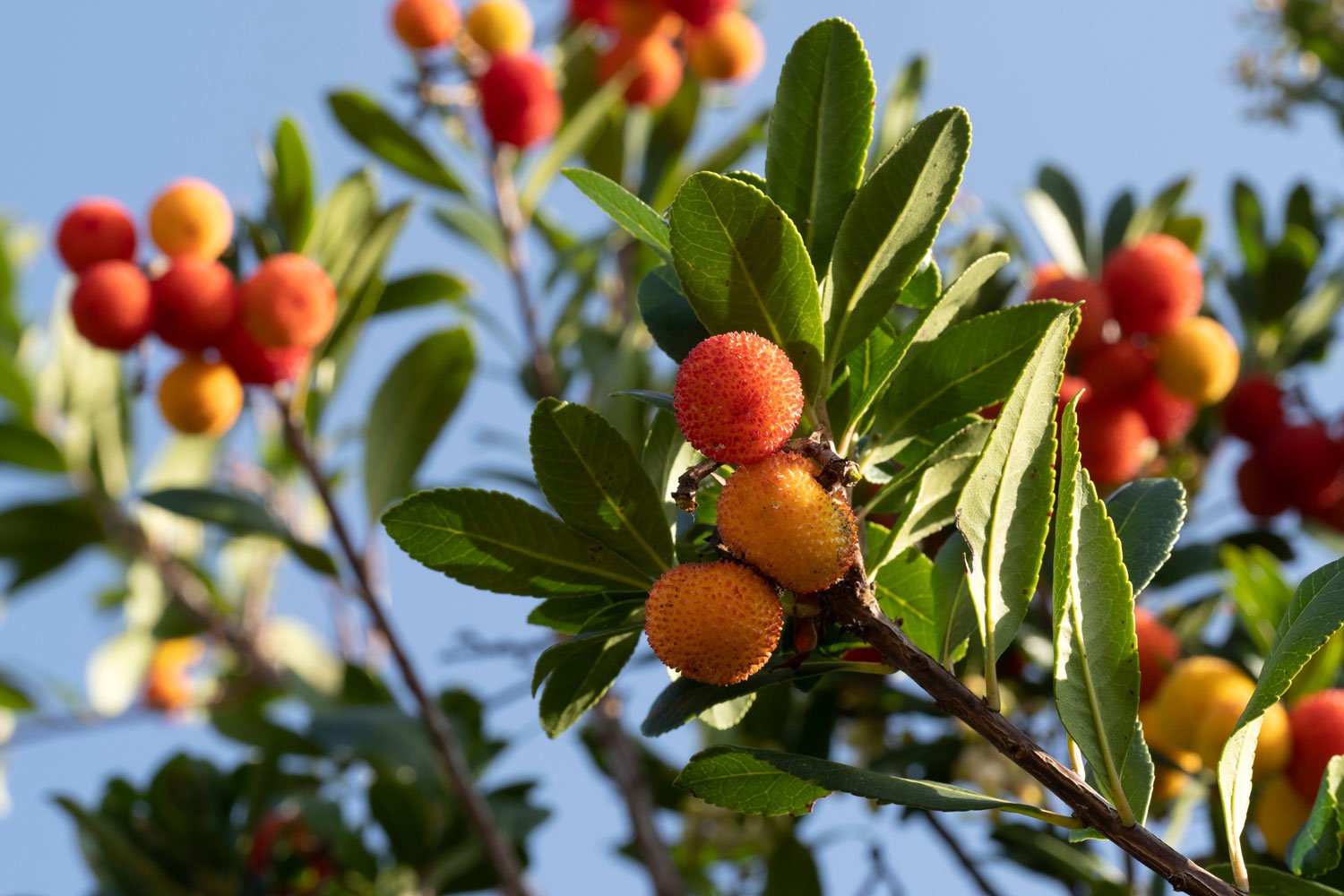
Southern Britain’s climate, with its increasingly warm summers and occasional drought conditions, presents unique challenges for gardeners aiming to cultivate thriving fruit trees. Selecting species that can withstand heat, tolerate periodic water scarcity, and still produce bountiful harvests is essential for success in these regions. This article explores six heat-tolerant fruit trees ideal for southern yards, offering practical guidance for gardeners seeking resilient, productive additions to their landscapes. A nursery specialist from CRJ FruitTrees provides expert insight into choosing the right trees for warmer climates. For those looking to buy fruit trees suited to these conditions, their expertise highlights the importance of selecting varieties with proven heat tolerance, such as those found on their extensive catalogue if you click here.
The Importance of Heat-Tolerant Fruit Trees
Rising temperatures and unpredictable rainfall patterns in southern Britain necessitate careful consideration when choosing fruit trees. Heat-tolerant varieties not only endure high summer temperatures but also adapt to varying soil conditions and reduced water availability once established. These trees offer gardeners the opportunity to maintain productive orchards without excessive maintenance, ensuring both aesthetic appeal and a reliable yield. By focusing on species that thrive in warmer conditions, gardeners can create sustainable landscapes that require less intervention while still providing fresh, home-grown fruit.
Fig (Ficus carica)
Fig trees are exceptionally well-suited to southern yards due to their remarkable heat and drought tolerance. Native to the Mediterranean, these trees thrive in full sun and can withstand temperatures that soar during British summers. Their broad, lobed leaves provide ample shade, making them a dual-purpose addition to gardens, offering both fruit and cooling cover. Figs require well-drained soil and benefit from a sunny, sheltered position, such as against a south-facing wall, which captures and retains warmth.
Once established, fig trees need minimal watering, making them ideal for regions prone to dry spells. Varieties such as ‘Brown Turkey’ and ‘Brunswick’ are particularly popular in Britain for their reliable fruiting and adaptability to warmer climates. The fruit, which ripens from late summer to early autumn, is sweet and versatile, suitable for fresh eating, drying, or preserves. Gardeners looking to buy fruit trees will find figs a low-maintenance option that delivers consistent yields even in challenging conditions.
Regular pruning in late winter or early spring encourages healthy growth and maximizes fruit production. While figs are generally hardy, young trees may require protection from late frosts in cooler southern regions. With proper care, figs can live for decades, becoming a long-term investment for any garden.
Pomegranate (Punica granatum)
Pomegranate trees are gaining popularity in southern Britain for their ability to thrive in hot, dry conditions. Originating from the Middle East, these trees are well-adapted to intense sunlight and can tolerate drought once their root systems are established. Their vibrant, trumpet-shaped flowers bloom in late spring, adding ornamental value, while the ruby-red fruits mature in autumn, offering a tangy, antioxidant-rich harvest.
Pomegranates prefer well-drained, loamy soil but are remarkably adaptable to poorer conditions, including alkaline soils common in southern regions. Varieties such as ‘Wonderful’ and ‘Provence’ are recommended for their cold hardiness and ability to produce fruit in Britain’s warmer zones, particularly in USDA zones 8-10, which align with southern coastal areas. Gardeners should ensure deep, infrequent watering during the establishment phase to promote strong root development.
For those seeking to buy fruit trees, pomegranates offer a unique combination of aesthetic appeal and resilience. Their compact size, typically reaching 10-15 feet, makes them suitable for smaller yards or even container growing, provided they receive ample sunlight. Pruning is minimal, focusing on removing dead wood and shaping the tree for optimal airflow.
Olive (Olea europaea)
Olive trees bring a touch of Mediterranean charm to southern British gardens, excelling in hot, sunny conditions. Their silvery-green foliage reflects sunlight, helping them conserve moisture during dry periods, while their deep root systems allow them to access underground water sources. Olives are particularly suited to coastal areas of southern Britain, where they tolerate salt spray and poor, rocky soils.
Varieties such as ‘Arbequina’ and ‘Lecciana’ are well-suited to Britain’s climate, producing small, flavorful olives that can be cured or pressed for oil, though fruit production may be limited in cooler years. These trees thrive in full sun and require well-drained soil, making them ideal for raised beds or containers. Gardeners looking to buy fruit trees should consider olives for their low water needs and ornamental qualities, which enhance any landscape.
Olives require minimal pruning, primarily to maintain shape and remove suckers. While they are drought-tolerant, regular watering during the first two years helps establish a robust root system. In colder southern regions, protecting young trees from frost is advisable, though mature olives are hardy to around -10°C.
Citrus (Citrus spp.)
Citrus trees, including lemons, oranges, and limes, are increasingly viable in southern Britain’s warmer microclimates, particularly in sheltered urban gardens or conservatories. These trees thrive in full sun and are highly heat-tolerant, making them suitable for yards that experience intense summer temperatures. Their fragrant blossoms and glossy evergreen foliage add year-round beauty, while the fruit provides a fresh, zesty harvest.
Varieties such as ‘Meyer’ lemon and ‘Satsuma’ orange are recommended for their cold hardiness and ability to produce fruit in Britain’s climate. Citrus trees require well-drained, slightly acidic soil and benefit from regular feeding with a balanced fertilizer. For gardeners aiming to buy fruit trees, citrus offers a practical option for container growing, allowing trees to be moved indoors during rare cold snaps.
Watering needs are moderate, with deep irrigation during dry periods to support fruit development. Pruning focuses on removing dead or overcrowded branches to maintain airflow and light penetration. In southern yards, citrus trees can be a rewarding choice, combining productivity with ornamental appeal.
Almond (Prunus dulcis)
Almond trees are an excellent choice for southern yards, thriving in warm, dry conditions reminiscent of their Mediterranean origins. These trees are not only heat-tolerant but also relatively drought-resistant once established, making them suitable for regions with sporadic rainfall. Their early spring blossoms, which range from white to pale pink, attract pollinators and add a delicate beauty to gardens.
Varieties such as ‘Nonpareil’ and ‘Garden Prince’ are well-suited to southern Britain, producing sweet, edible nuts in late summer. Almonds require full sun and well-drained soil, with a preference for loamy or sandy conditions. Gardeners looking to buy fruit trees will find almonds a versatile option, as they can be grown as small trees or large shrubs, fitting well in compact spaces.
Regular pruning in late winter helps maintain shape and encourages fruiting. While almonds are self-fertile, planting multiple trees can enhance pollination and yield. Watering should be consistent during the establishment phase, but mature trees can tolerate periods of drought, making them a low-maintenance choice for southern gardeners.
Persimmon (Diospyros kaki)
Persimmon trees are a lesser-known but highly heat-tolerant option for southern yards, capable of withstanding high temperatures and dry conditions. Native to Asia, these trees produce vibrant orange fruits that ripen in autumn, offering a sweet, honey-like flavor. Their glossy leaves turn brilliant shades of red and orange in fall, adding seasonal interest to the garden.
Varieties such as ‘Fuyu’ and ‘Hachiya’ are recommended for their adaptability to Britain’s warmer zones, particularly in sheltered locations. Persimmons prefer well-drained soil and full sun but are notably resilient to heat stress. For gardeners seeking to buy fruit trees, persimmons offer a unique addition that combines exotic appeal with practical resilience.
These trees require minimal pruning, primarily to remove dead wood and maintain structure. Watering needs are moderate, with established trees tolerating drought well. Persimmons are also relatively pest-resistant, making them a low-maintenance choice for busy gardeners.
Practical Considerations for Planting Heat-Tolerant Trees
Selecting the right location is critical for the success of heat-tolerant fruit trees. Most of these species require full sun, defined as at least six hours of direct sunlight daily, to maximize growth and fruit production. South-facing positions, ideally sheltered from strong winds, provide the warmth and light these trees crave. Soil preparation is equally important, with well-drained conditions being a common requirement. Adding organic matter, such as compost, can improve soil structure and fertility, particularly for nutrient-hungry trees like citrus and almonds.
Watering strategies are key during the establishment phase, typically the first two to three years. Deep, infrequent watering encourages strong root development, enabling trees to access deeper water sources during dry periods. Once established, most of these trees require minimal supplemental irrigation, except during prolonged droughts. Applying a 2-4 inch layer of mulch around the base, keeping it away from the trunk, helps retain moisture and regulate soil temperature.
Pruning is essential to maintain tree health and productivity. For most fruit trees, late winter or early spring is the optimal time for pruning, as it minimizes stress and promotes vigorous growth. Removing dead or crossing branches improves airflow and light penetration, reducing the risk of disease. Each species has specific pruning needs, so gardeners should research the requirements for their chosen trees.
Adapting to Southern Britain’s Changing Climate
The warming climate in southern Britain presents both challenges and opportunities for fruit tree cultivation. While higher temperatures favor heat-tolerant species, gardeners must also consider the potential for late frosts, which can damage blossoms and reduce yields. Choosing varieties with good cold hardiness, such as specific cultivars of figs, pomegranates, and citrus, mitigates this risk. Additionally, urban microclimates in southern cities like London and Brighton can extend the growing season, allowing for a broader range of fruit trees.
Climate change also affects soil moisture and rainfall patterns, making drought-tolerant trees increasingly valuable. By selecting species with deep root systems, such as olives and pomegranates, gardeners can create resilient landscapes that thrive with minimal intervention. Incorporating sustainable practices, such as using greywater for irrigation, further enhances the viability of these trees in water-scarce conditions.
Enhancing Biodiversity and Aesthetics
Heat-tolerant fruit trees contribute more than just fruit to southern yards. Their blossoms attract pollinators like bees and butterflies, supporting local ecosystems. Trees like figs and persimmons also provide food for birds, enhancing biodiversity. Aesthetically, these trees offer year-round interest, from the spring blooms of almonds to the vibrant fall foliage of persimmons. Their varied forms, from the spreading canopy of figs to the upright structure of olives, allow gardeners to create dynamic, visually appealing landscapes.
For smaller yards, many of these trees can be grown in containers or trained as espaliers, maximizing space without sacrificing productivity. This flexibility makes them suitable for urban gardens, patios, or courtyards, where they can serve as focal points or privacy screens.
Long-Term Benefits and Maintenance
Investing in heat-tolerant fruit trees offers long-term rewards for southern gardeners. Once established, these trees require minimal maintenance, making them ideal for those with busy schedules or limited gardening experience. Their ability to withstand heat and drought reduces the need for constant care, while their fruit provides a sustainable source of fresh produce. Over time, these trees can increase property value by enhancing curb appeal and creating inviting outdoor spaces.
Regular monitoring for pests and diseases is advisable, though many of these trees, such as olives and persimmons, are naturally resistant to common issues. Fertilizing annually with a balanced, slow-release product supports healthy growth and fruiting. For gardeners new to fruit tree cultivation, starting with low-maintenance options like figs or olives can build confidence before expanding to more demanding species like citrus.
Conclusion
Southern Britain’s warming climate makes heat-tolerant fruit trees an excellent choice for gardeners seeking resilient, productive additions to their yards. Figs, pomegranates, olives, citrus, almonds, and persimmons offer a range of flavors, aesthetic qualities, and ecological benefits, all while thriving in hot, dry conditions. By selecting the right varieties and providing proper care during establishment, gardeners can enjoy bountiful harvests and beautiful landscapes for years to come.