Landscaping Ideas for Curb Appeal
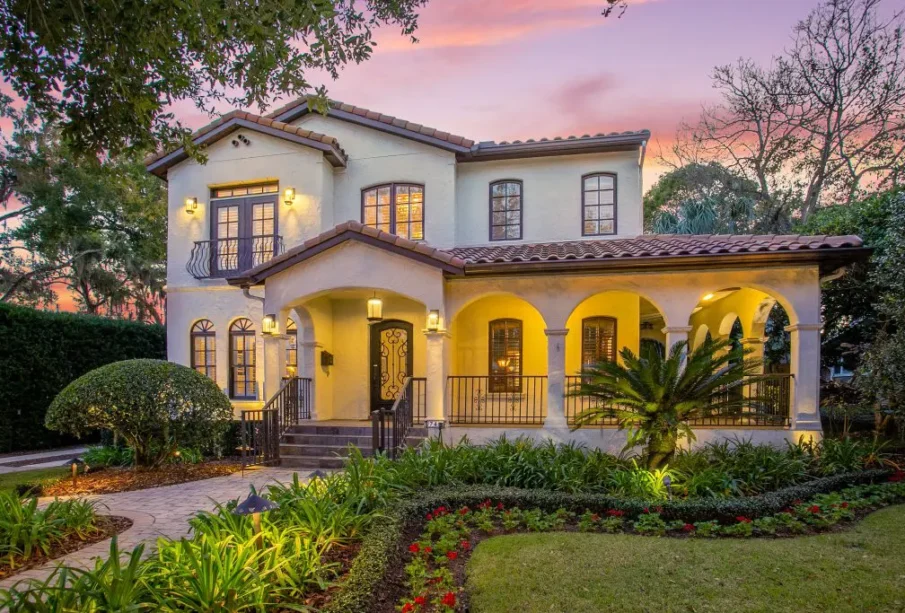
Landscaping Ideas for Curb Appeal play a direct role in how welcoming, polished, and well-maintained a home appears from the outside. The front yard is the first impression visitors, neighbors, and passersby receive, and thoughtful landscaping can dramatically increase both emotional appeal and property value. Good curb appeal landscaping is not only decorative. It also supports functionality, enhances architectural features, and creates visual balance across the space. Instead of relying on random plant placement or quick cosmetic changes, the most effective landscaping plans consider scale, proportion, seasonal interest, and long-term maintenance.
Curb appeal landscaping should reflect the character of the home while complementing the surrounding environment and climate. The goal is to create an exterior that feels cohesive, inviting, and naturally integrated rather than forced or overly ornamental.
Understanding Your Landscape Before Designing
Before selecting plants or planning structures, it is essential to analyze the site. Every yard has distinct environmental conditions that influence what will thrive and how the landscape should be arranged.
Evaluating Sun and Shade Patterns
Observe how sunlight moves across the property throughout the day. Some plants require full sun to grow dense and vibrant, while others prefer partial shade. Placing sun-loving plants in shaded areas will lead to sparse growth and poor flowering. Reverse placement can cause leaf burn or stress.
Assessing Soil Type and Drainage
Soil structure affects plant health. Sandy soil drains quickly but may require more nutrients, while clay soil holds water and can suffocate roots. Amending soil with compost improves structure and supports long-term growth. Proper grading also prevents water from pooling near the foundation.
Considering Architectural Style
Landscape design should support the architecture instead of competing with it. Clean-lined modern homes pair well with simple plant palettes and strong geometric forms. Traditional homes benefit from layered garden beds and naturally flowing plant shapes. The landscaping should look like it belongs to the home, not like it was added as an afterthought.
Strategic Planting to Frame the Home
Plants should emphasize the architectural form, not obscure it. The arrangement should guide the eye toward the front door, creating a sense of welcome.
Foundation Planting
Planting along the foundation helps soften the transition between the house and ground. Use a layered approach:
- Taller shrubs in the back near the wall
- Medium-height plants in the middle layer
- Low ground covers along the front edge
This layered effect adds depth without causing the home to appear boxed in.
Highlighting the Entryway
The entryway is the focal point. Symmetrical placement of planters, shrubs, or structural plants near the door strengthens this focal direction. Arched pathways, flanked lighting, or container plant groupings can support a more inviting entrance.
Using Vertical Elements
Tall plants, slim evergreens, or decorative trellises draw the eye upward and offer structure year-round. Taller elements also help balance multi-story homes so the vertical form does not overwhelm the landscaping.
Designing Pathways with Intent and Character
Pathways guide movement and contribute significantly to curb appeal. They should feel purposeful rather than accidental.
Material Selection
The material influences both aesthetics and durability.
- Natural stone offers organic warmth
- Brick provides timeless charm
- Poured concrete delivers clean simplicity
- Gravel or crushed granite offers casual rustic appeal
Match pathway material to the home’s style for cohesive design.
Flow and Proportion
The path should be wide enough for comfortable walking, ideally no narrower than three feet. Curving pathways create a relaxed, welcoming approach, while straight paths feel formal and efficient.
Borders for Definition
Edging materials such as stone, metal, or low-growing plants help maintain shape and prevent grass from invading.
Enhancing Curb Appeal with Seasonal Color and Texture
Seasonal variety prevents the landscape from appearing flat or dull at different times of the year.
Layering Plants for Year-Round Interest
A balanced landscape includes:
- Evergreen shrubs for winter structure
- Flowering perennials for spring and summer color
- Deciduous trees for fall foliage
- Textured grasses to add movement and softness
This varied approach ensures the yard remains visually engaging, regardless of season.
Color Palette Selection
Limit the color palette to avoid visual clutter. Choose two primary colors and one complementary accent. Repeating these colors across the garden creates rhythm and unity.
Flower Beds and Borders
Curved bed lines feel natural and inviting. Keep flower beds proportionate to lawn size so one element does not dominate the other.
Integrating Hardscape Features for Depth and Function
Hardscape includes non-plant elements and provides structure to the landscape.
Front Yard Seating Areas
A front patio, bench, or porch seating space encourages social connection and gives depth to the entryway. Seating areas should be sheltered and visually integrated with surrounding greenery.
Decorative Retaining Walls
For sloped yards, retaining walls prevent erosion while offering opportunities for terraced planting. Using natural stone can add rustic warmth, while smooth concrete suits modern homes.
Water Features as Visual Anchors
Simple water features such as fountains add sensory appeal. They provide movement, sound, and a focal point but should not overwhelm space in smaller yards.
Lighting to Enhance Evening Curb Appeal
Landscape lighting extends curb appeal beyond daylight hours. A well-lit front yard looks inviting, safe, and architecturally expressive.
Pathway Lighting
Low-level lighting along walkways increases visibility and safety without creating glare.
Accent Lighting
Spotlights or well lights can highlight:
- Trees
- Architectural details
- Front entry
- Garden sculptures
Balance is essential. Over-lighting makes a space feel harsh, while subtle layers create atmosphere.
Porch and Entry Lighting
Warm-toned lighting at the entry establishes a welcoming atmosphere and helps guests orient themselves.
Lawn Management and Maintenance Practices
Even the most thoughtfully designed landscape can lose appeal if the lawn appears neglected.
Grass Health and Density
Regular aeration, watering, and fertilization encourage dense growth. Thin, patchy grass reduces overall appeal.
Edging and Bed Maintenance
Crisp edges where lawn meets bed signal care and intentionality. Removing weeds and refreshing mulch maintains neatness and protects plant roots.
Pruning and Trimming
Regular pruning shapes shrubs and prevents overgrowth from blocking windows or pathways.
Adding Personality Through Decorative Touches
Small finishing elements help the exterior reflect individuality.
Front Door Color
A well-chosen front door color acts as a visual anchor. Deep reds, navy blue, and forest green convey confidence, while muted teal or sage adds softness.
House Numbers and Mailboxes
Modern house numbers, updated mailboxes, and coordinated hardware add refinement.
Seasonal Planters
Rotating plant selections in porch planters adds dynamic appeal without requiring major landscape updates.
Frequently Asked Questions
How can I improve curb appeal on a small budget?
Focus on maintenance first. Trim shrubs, refresh mulch, clean walkways, and add a few seasonal flowers. Repainting the front door is also an inexpensive improvement with noticeable effect.
What front yard plants require minimal upkeep?
Evergreen shrubs, ornamental grasses, and drought-tolerant perennials such as lavender or sedum require less watering and pruning while still offering texture and seasonal color.
How do I landscape a yard with poor drainage?
Add soil amendments to improve drainage, build raised beds, or install a French drain system. Avoid plants that require consistently dry soil, and consider moisture-tolerant species such as certain ferns or winterberry.
How can I make a small front yard look larger?
Use sweeping curves in flower beds, choose low-growing shrubs that do not block sightlines, and avoid cluttering the yard with too many plant varieties. Light-colored pathways and strategic vertical elements can also elongate the space visually.
Should the landscape match the home’s exterior color?
Yes. Plants and hardscape should complement the home’s paint and material tones. For example, warm-toned exteriors pair well with earthy plants, while cool-toned homes benefit from gray-green foliage and white blooms.