Motorized Screen Ideas for Making Large Openings More Practical
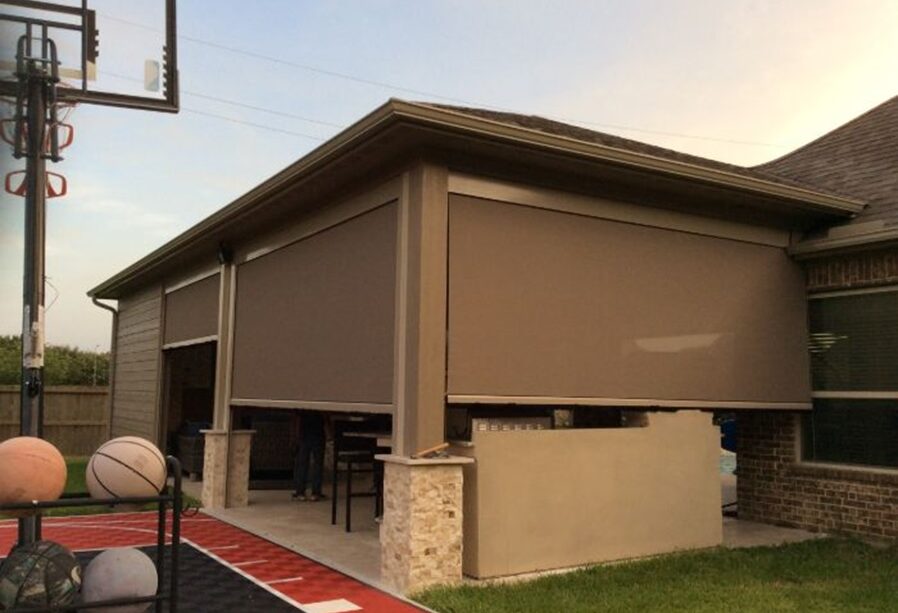
Large openings can make a home feel more connected to the outdoors. Covered patios, porches, wide doorways, and similar spaces can create an easy transition between indoor and outdoor living. At the same time, homeowners may want the option to define these areas when needed without permanently closing them in. A motorized screen can provide that flexibility while allowing the space to remain open when the screen is not being used.
Homeowners considering this type of upgrade can explore professional motorized screen installation as part of their planning. Before choosing a system, it helps to look closely at the opening itself, how people move through the area, and how the space is used throughout an ordinary week. Those details can influence where a screen makes the most sense and how it can fit naturally into the home’s existing design.
Begin With the Opening, Not the Product
It can be tempting to start by looking at screen styles and features. A better first step is understanding the opening where the system will be installed.
Look at its width, height, surrounding surfaces, and relationship to nearby doors, windows, columns, and architectural details. The structure around the opening matters because the screen needs to fit into an existing space rather than function as an isolated feature.
Professional measurements can help determine what configuration is appropriate.
Homeowners should also mention any planned renovations that could change the opening. Installing a system immediately before altering the patio structure or exterior finishes may complicate an otherwise straightforward project.
Identify How People Move Through the Space
Traffic patterns are especially important around large openings.
A covered patio may have several ways to enter and exit. Family members might regularly walk between the kitchen and outdoor dining table, while another route leads toward a pool, lawn, grill, or side yard.
Observe these movements before making installation decisions.
A motorized screen should work with the way people already use the area. Thinking about normal traffic can also help homeowners decide which openings deserve screening first when a patio has several exposed sides.
Consider the Space During Different Activities
Outdoor areas often serve more than one purpose.
On weekday mornings, a patio might be a quiet place for coffee. In the afternoon, children may use the space for play. On weekends, the same area could accommodate a larger gathering.
Think about which activities happen most frequently and where they occur.
Homeowners who entertain regularly may prioritize a large seating or dining area. Someone who works from a covered patio occasionally may have different considerations.
Designing around actual routines can make the finished installation more relevant to everyday life.
Look at Furniture Placement
Furniture can dramatically change how an opening functions.
A completely empty patio may make every opening appear equally accessible, but the situation changes once sofas, tables, planters, and other furnishings are added.
Consider both current and future layouts.
If furniture is frequently rearranged for gatherings, leave enough flexibility for those changes. Homeowners should also avoid planning a permanent installation around temporary furniture that may be replaced soon.
Looking at the complete space helps ensure the screen and patio layout work together.
Think About the View When the Screen Is Retracted
One reason homeowners may consider a retractable system is the ability to preserve an open feel when screening is unnecessary.
Exterior shading can also play a role in managing solar heat gain, with the U.S. Department of Energy identifying exterior sunscreens as one option for reducing unwanted solar heat.
That makes the retracted appearance worth considering.
Ask where the housing and other visible components will be positioned and how they will relate to the home’s architecture.
A motorized screen should be considered from both perspectives: how the space looks while the screen is in use and how it appears when the system is retracted.
This is particularly important for prominent outdoor areas visible from living rooms, kitchens, or main entertaining spaces.
Coordinate With an Outdoor Kitchen
Outdoor kitchens can make patios more functional, but they also introduce additional planning considerations.
Grills, cooking appliances, countertops, refrigerators, cabinets, and dining areas can influence where people stand and how they move.
Homeowners planning both projects should discuss the complete layout before either installation begins.
Heat-producing appliances require appropriate clearances and should always be installed and operated according to manufacturer instructions and applicable safety requirements.
Planning everything together can help prevent a newly installed feature from interfering with another part of the outdoor space.
Consider Multiple Openings as One Project
Some patios have one obvious opening. Others have several.
Instead of evaluating each side independently, homeowners can think about how the entire area functions.
Which opening faces the yard? Which one receives the most traffic? Are there sides that homeowners rarely need to screen?
The answers can help establish priorities.
Not every opening necessarily needs the same configuration. A professional can evaluate the structure and discuss possible approaches based on the home’s layout.
Plan Around Other Exterior Improvements
Timing can make outdoor renovation projects easier.
If homeowners are preparing to paint the exterior, replace siding, renovate a patio, or make structural changes to a covered outdoor area, they should mention these plans before scheduling installation.
Project order can affect access and finishing work.
The same principle applies to new doors and windows near the installation area.
Coordinating projects early may reduce the need to remove, adjust, or work around recently installed components.
Learn the Controls Before Installation Day
Motorization adds convenience, but homeowners should understand how the particular system operates.
Ask how the controls work, how the screen stops, and what normal operation should look and sound like.
Everyone who regularly uses the system should understand the basic operating instructions.
Children should not treat controls as toys, and homeowners should make sure the opening is clear before operating the system.
Following the manufacturer’s instructions is important for safe and appropriate use.
Build Simple Maintenance Habits
A motorized screen becomes part of the home’s exterior environment, which means occasional care may be necessary.
Homeowners should ask about recommended cleaning methods and routine maintenance for the specific system being installed.
Avoid forcing the screen if it does not operate normally.
If movement changes or an unfamiliar sound develops, consult the product instructions or an appropriate professional rather than immediately attempting a DIY adjustment.
Keeping installation and product information together can make future service easier.
Reevaluate the Space Once the Project Is Complete
After installation, homeowners have an opportunity to see their patio differently.
A previously overlooked corner may become useful for seating. A dining table might work better in another location. The family may discover that they spend more time in one portion of the covered area than expected.
There is no requirement to finalize every furniture decision before installation.
Instead, homeowners can allow the finished space to influence how they arrange and use it.
This approach can be particularly useful for large patios that serve several purposes.
Create an Outdoor Area That Can Change With the Day
The best outdoor spaces are not necessarily the ones with the most features. They are the ones that adapt comfortably to the people using them. By considering openings, traffic patterns, furniture, entertaining, nearby projects, and everyday routines, homeowners can determine whether a motorized screen belongs in their outdoor living plan.
For homeowners ready to explore the possibilities, Conservation Motorized Screens and Awnings can help evaluate the existing outdoor area and discuss options suited to the structure. A thoughtfully planned installation can help homeowners preserve the open character of their patio while giving them another way to adapt the space when needed.