Smart Home Architecture with Integrated Technology
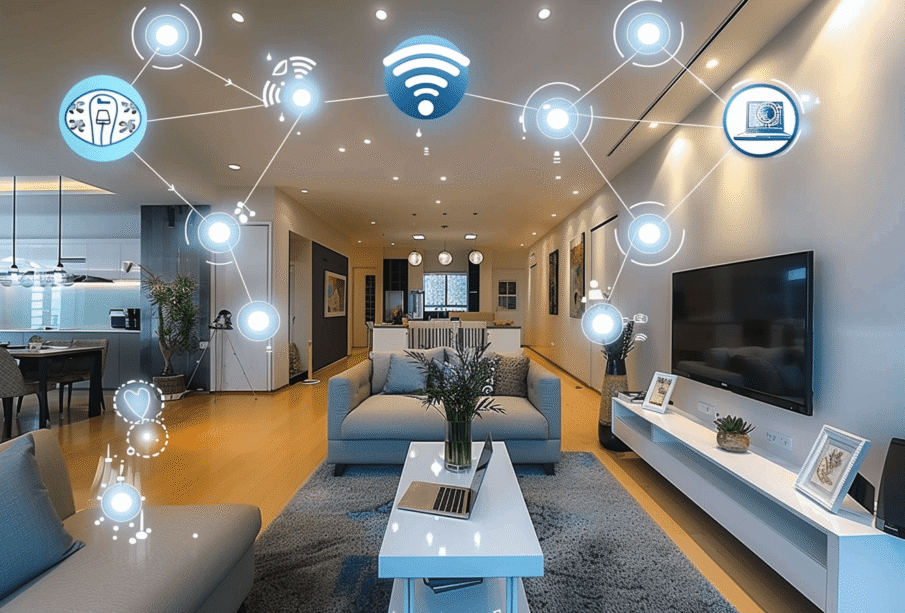
Smart Home Architecture with Integrated Technology is reshaping the future of residential design as homeowners prioritize convenience, efficiency, comfort, and control. This architectural approach does more than simply add smart devices into a traditional home layout. Instead, the home is planned, structured, and built from the ground up with digital systems, network infrastructure, automation pathways, and responsive design in mind. When technology is integrated during the architectural phase rather than added later, the result is a seamless environment that adjusts to user needs while remaining visually clean, intuitive, and highly functional.
Modern smart homes are not defined by isolated gadgets. They are cohesive ecosystems where lighting, climate, security, appliances, multimedia, and energy systems communicate with one another. The architecture supports these systems so they feel embedded rather than attached, resulting in elevated living experiences and long-term sustainability.
Foundational Principles of Smart Home Architectural Planning
To achieve genuine technological integration, thoughtful planning must begin before construction. Smart systems require physical space for wiring, hubs, conduits, access panels, and sensors, meaning that architectural drawings should reflect technology pathways early in the design process.
Key foundational principles include:
- Designing infrastructure that supports current and future digital systems
- Reducing visual clutter by concealing cables, hardware, and control units
- Ensuring all technology enhances rather than interrupts architectural aesthetics
- Prioritizing user ease of control through automation and unified interfaces
- Creating adaptability so new technologies can be added without major renovation
Homes are now expected to be digitally resilient, meaning they can evolve as technology advances. This is achieved through open architecture systems and modular infrastructure planning.
Network Infrastructure as the Core of Smart Home Functionality
A reliable, high-performance network is the backbone of any smart home. Without robust connectivity, automation becomes inconsistent and frustrating.
Structured Wiring Systems
Structured wiring allows data, audio, security feeds, and lighting control panels to connect throughout the home in an organized way. Instead of individual devices relying on separate wireless links, structured cabling ensures strong connectivity and system reliability.
Common wiring strategies include:
- Category 6 or 6A Ethernet lines for high-speed data transfer
- Fiber optic backbone for future-proofing bandwidth needs
- Wall conduits that allow cables to be replaced without demolition
Distributed Wi-Fi Coverage
Large or multi-level homes require access points to ensure consistent wireless coverage. Network layout planning must consider:
- Router placement in central, ventilated areas
- Ceiling-mounted Wi-Fi access points to maximize signal dispersal
- Mesh network systems to reduce signal interference
Network Security Protocols
Because integrated smart systems often connect to external networks, cybersecurity is vital. Architectural planning should include secure hardware firewalls, encrypted device connections, and authenticated access panels to safeguard personal data.
Intelligent Lighting Systems Built Into the Architectural Layout
Lighting plays a central role in comfort, visibility, and mood. Integrated lighting systems ensure the home responds to activity patterns, ambient conditions, and time of day.
Layered Lighting Zones
Instead of relying on a single light source per room, smart homes use layered lighting:
- Ambient ceiling lights for general illumination
- Task lighting for work or food preparation
- Accent lighting for art, architectural features, or mood creation
Zoning these lights allows them to be controlled individually or grouped based on use-case scenarios.
Automated Light Controls
Automated systems adjust brightness and temperature throughout the day:
- Morning scenes that gradually increase brightness
- Evening scenes with warm, dimmed tones to support relaxation
- Motion sensors for hallways and closets to reduce wasted energy
Natural light integration through window placement and smart shading systems further enhances comfort and reduces energy consumption.
Advanced HVAC and Climate Control Systems
Heating, ventilation, and air conditioning consume a significant portion of a home’s energy. Smart architecture integrates climate systems that adapt intelligently.
Zoned Climate Control
Zoning separates the home into thermal regions so they can be heated or cooled independently:
- Occupied rooms receive priority comfort control
- Unused rooms operate in energy-saving mode
Zoning avoids energy waste and improves indoor comfort.
Indoor Air Quality Monitoring
Sensors measure humidity, pollutants, carbon dioxide levels, and temperature. Automated systems activate:
- Ventilation fans
- Air purifiers
- Dehumidifiers
- Window vent panels
This creates healthier living environments and reduces respiratory strain.
Integrated Security and Safety Ecosystems
Home security is no longer limited to alarms. Advanced systems offer real-time monitoring and automated threat detection.
Smart Camera and Access Systems
Architecturally integrated cameras are placed in strategic exterior and interior sightlines. Keyless entry systems such as biometric locks and proximity sensors enhance security without visible hardware clutter.
Environmental Hazard Detection
Sensors automatically detect:
- Smoke and carbon monoxide
- Water leaks
- Gas leaks
- Structural movement or vibration
Automated alerts allow immediate action, even when homeowners are away.
Audio, Visual, and Entertainment Integration
Media experiences can be deeply integrated into architectural design so entertainment enhances living spaces instead of overtaking them.
Distributed Audio Systems
Speakers embedded in ceilings, walls, or outdoor structures allow coordinated audio throughout the home. Audio zones allow occupants to listen to different content in different rooms.
Hidden Media Installations
Televisions and projectors can be:
- Integrated into cabinetry
- Recessed into walls
- Concealed behind sliding panels
- Embedded in mirrors for dual functionality
This prevents visual clutter and maintains design integrity.
Smart Kitchens and Integrated Appliance Systems
The kitchen is becoming one of the most tech-forward areas in modern homes.
Intelligent Appliance Networks
Connected appliances can:
- Suggest recipes based on fridge contents
- Automate cook times and temperature settings
- Notify users of maintenance issues
- Track expiration dates and energy use
Digital Workflow Design
The layout should support efficient movement between preparation, cooking, and cleaning zones. Smart faucets, voice-controlled lighting, and under-cabinet sensors improve workflow efficiency.
Sustainability and Energy Efficiency in Smart Home Design
Integrated technology improves sustainability through monitoring, automation, and responsive adjustments.
Real-Time Energy Monitoring
Energy dashboards track how much power each device, system, and appliance consumes. This allows homeowners to make informed adjustments.
Renewable Energy System Integration
Solar, geothermal, and battery storage systems can be automated to optimize energy use during peak and off-peak times.
Smart Irrigation and Water Systems
Outdoor irrigation adapts to soil moisture and weather forecasts, while indoor water systems detect leaks and adjust usage.
Frequently Asked Questions
Do smart homes require constant maintenance?
Smart systems require occasional software updates and periodic device checks. Most maintenance involves verifying connectivity and ensuring firmware is current. Physical components such as wiring and panels typically require minimal long-term upkeep.
Can older homes be upgraded to include integrated technology?
Yes, though upgrades in existing homes may require strategic modifications. Wireless control systems, retrofit switches, and modular access panels allow older homes to adopt smart features without full renovation. Running new wiring through attic or crawl spaces can also enable integration.
How does smart home architecture impact privacy?
Privacy depends on careful network management. Secure passwords, encrypted device connections, and local data storage reduce risk. Automated control panels can also limit who accesses system settings.
What should be prioritized first when planning smart home construction?
Start with the network infrastructure. Strong connectivity forms the foundation for all other systems. After that, plan for lighting and climate control integration before moving into kitchen, entertainment, and security upgrades.
Can smart homes operate during power outages?
Yes. With battery backups, solar storage, or generator integration, critical systems such as security, climate control, and lighting can remain operational.
.