Why Fontana Forni Outdoor Ovens Redefine Backyard Meals
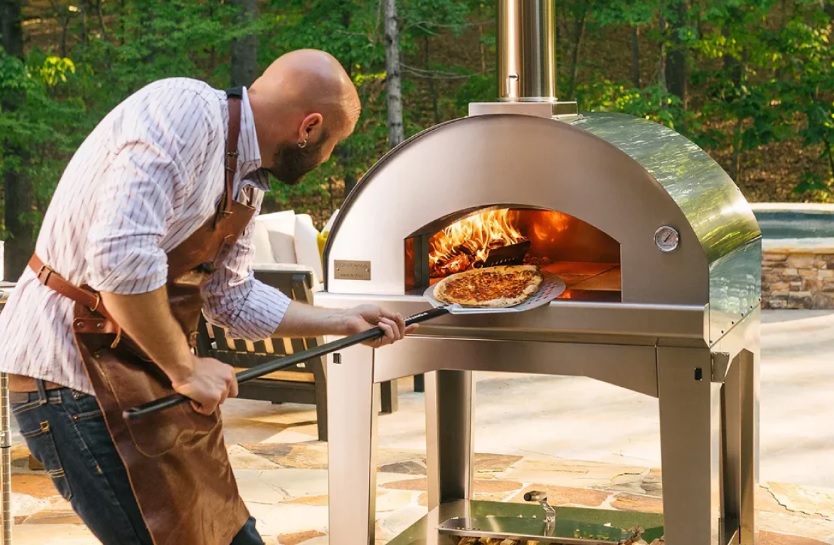
Where Cooking Slows Down, And Flavor Starts To Lead
Outdoor cooking is not about speed. It never was. It is about heat, timing, sound, and smell coming together without rush. Many people discover this only after trying to cook outside more often, and the pace changes. Attention sharpens. Meals feel earned.
That shift is one reason interest has grown in setups powered through Fontana Forni outdoor ovens rather than standard grills alone. These ovens are built for steady heat and long sessions. They invite cooks to stay present instead of flipping and rushing. Food cooks evenly. Flavor builds slowly.
This guide explores how outdoor ovens fit into real routines, not weekend fantasies. We focus on how people actually use them, what changes in daily cooking habits, and why this style of cooking sticks once tried. It is less about recipes and more about rhythm.
By the end, the goal is clarity. Not every yard needs an oven. Not every cook wants one. But for those who value patience, texture, and shared meals, outdoor ovens offer something different. This article explains the difference in simple terms, without hype, so decisions feel grounded and confident.
What Sets Outdoor Pizza Ovens Apart From Standard Grills
Grills cook fast. Ovens cook deep. That difference shapes results. Outdoor ovens hold heat longer and distribute it evenly. This allows bread, pizza, and roasted dishes to cook through without burning the outside.
Unlike grills, ovens surround food with heat. The dome shape reflects warmth toward the center. That creates consistent cooking from all sides. Texture improves. Moisture stays balanced.
Outdoor ovens also expand what people cook. They are not limited to pizza. Roasted vegetables, meats, and even desserts become part of the routine.
Common advantages include:
- Stable high heat control
- Even cooking from all sides
- Broader meal options
- Fewer flare-ups or charring
Once people adjust to oven cooking, grills often become secondary tools. The oven becomes the main stage. Cooking feels calmer. Results are thought to be more reliable.
How To Use An Outdoor Oven Without Making It Complicated
Outdoor ovens look serious, but daily use does not need to be complex. The key is preparation. Fire management matters more than constant attention. Once the heat is set, cooking flows smoothly.
Most users develop simple routines. Heat the oven. Let it settle. Cook in stages. Meals follow a natural order rather than strict timing.
Cleaning is also simpler than expected. Ash clears easily. Surfaces stay durable with basic care.
Helpful habits include:
- Preheat fully before cooking
- Using simple tools and pans
- Cooking multiple items per session
- Letting the oven cool naturally
When routines form, effort drops. Cooking becomes enjoyable instead of technical. The oven works with you, not against you.
Why Outdoor Ovens Change How People Gather And Eat
Outdoor ovens pull people together. Cooking takes time, so people stay nearby. Conversations happen naturally. Meals become shared events, not rushed tasks.
Food also tastes different when simmered. Crusts develop. Flavors deepen. That difference is noticeable without explanation.
Because meals take planning, people value them more. Portions feel thoughtful. Waste drops. Leftovers are rare.
Long-term benefits include:
- Stronger social connection
- More intentional meals
- Better texture and flavor
- Slower, calmer cooking pace
The oven becomes part of the space, not just a tool. It shapes how time is spent outdoors and how meals are shared.
A Thoughtful Step Toward Better Outdoor Cooking
Outdoor cooking works best when it feels natural. Ovens support that by slowing the process and improving results. They reward patience and attention.
We believe good tools should guide habits, not complicate them. This guide aimed to show how outdoor ovens fit real lives, not ideal ones.
If this helped clarify your interest, keep observing how you cook now and how you want meals to feel. The proper setup often becomes clear once the focus shifts from speed to experience.