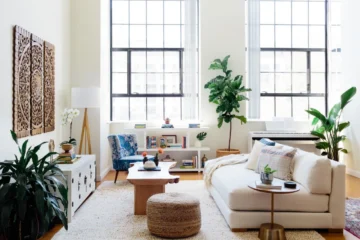
Creating Cozy Living Rooms with Minimal Decor
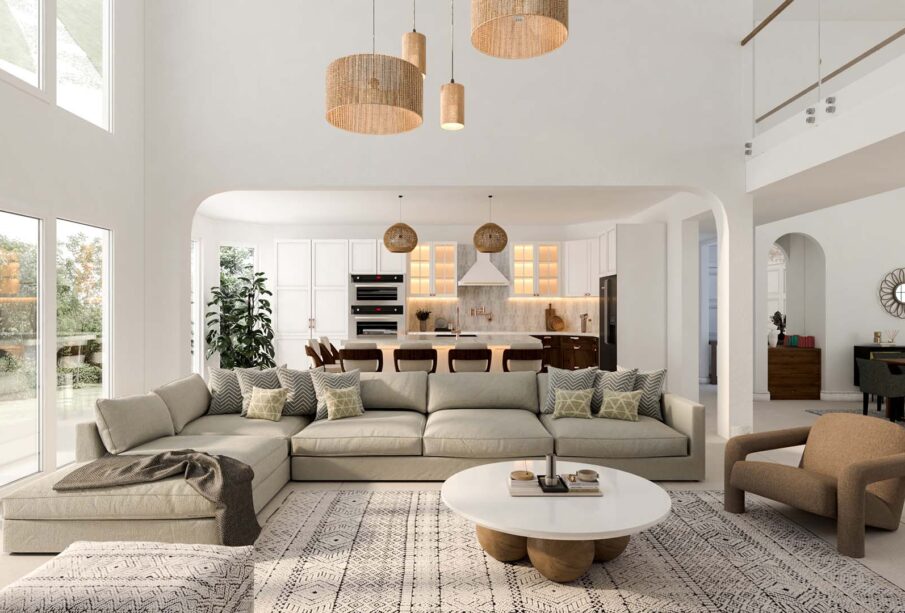
Creating Cozy Living Rooms with Minimal Decor focuses on designing spaces that feel warm, inviting, and deeply comfortable without relying on excess furniture or decorative clutter. While minimalism is often associated with simplicity and clean lines, a cozy minimalist living room goes beyond aesthetic restraint. It blends functionality, emotional warmth, and intentional design choices that prioritize serenity and relaxation. The goal is not to empty the room, but to curate it so that each item contributes to comfort and purpose.
This design approach supports mental clarity and creates a living space that feels nurturing and restorative after a long day. By combining thoughtful furniture selection, layered textures, warm lighting, and a calm color palette, a minimal living room can feel spacious yet intimate, simple yet welcoming.
Understanding the Essence of Cozy Minimalism
Cozy minimalism is not about eliminating personal belongings or creating a stark environment. It is about creating calm by removing visual noise. Every item in the room should have a reason to be there. Instead of collecting decorative pieces for the sake of style, the design focuses on elements that carry meaning, function, or genuine aesthetic value.
Core principles of cozy minimalism include:
- Reducing clutter to create visual peace
- Choosing fewer but higher-quality furnishings
- Using neutral and natural color palettes for calmness
- Introducing warmth through textures rather than objects
- Ensuring comfort remains the highest priority
This approach supports relaxation, emotional well-being, and an overall sense of ease.
Selecting the Right Furniture for Comfort and Flow
Furniture has the greatest impact on how a living room functions and feels. A minimal cozy living room requires pieces that are comfortable, appropriately sized, and arranged to support connection and ease.
Prioritize Comfort Over Architectural Trend
Furniture should encourage resting, lounging, and conversation. Overly rigid or sculptural furniture can look stylish but feel uninviting in a lived-in home. Soft seating, supportive cushions, and ergonomic forms give the room its welcoming tone.
Scale and Proportion Matter
In smaller living rooms, avoid oversized sectionals that dominate the space. In larger rooms, ensure furniture does not feel isolated or scattered. Balance scale so that seating and tables relate well to the room size.
Multi-Functional Pieces for Cleanliness and Efficiency
To reduce clutter, incorporate furnishings that serve multiple purposes. For example:
- Storage ottomans to hold blankets and extra pillows
- Coffee tables with shelving for books or remotes
- Modular sofas that adapt to different seating arrangements
These choices maintain cleanliness without sacrificing usability.
Using Color to Create Soft Atmosphere
Color has a powerful influence on emotional experience. Cozy minimal living rooms benefit from palettes that ease the mind and soften the mood.
Warm Neutrals for Relaxation
Warm beige, creamy white, soft taupe, and muted brown tones create a gentle foundation that feels restful. These hues reflect light in ways that make the room feel warm rather than flat.
Earth Tones for Grounding Connection
Soft greens, terracotta, and muted clay tones connect the interior environment with nature. These shades encourage calmness and stability, making them ideal accent colors.
Avoiding High-Contrast Palettes
Too much contrast can create visual tension. Instead of sharp black-and-white schemes, soften contrast with natural textures and warm undertones.
Layering Textures for Warmth and Sensory Comfort
Texture is essential for creating depth in a minimal space. Since the room is not filled with many objects, the surfaces and materials must bring tactile richness.
Key Texture Components
- Upholstered sofas with soft fabrics
- Wool or cotton throw blankets
- Woven baskets for storage
- Textured area rugs to soften floors
- Linen or cotton curtains for light diffusion
These tactile elements invite touch and relaxation.
Natural Materials Warm the Space
Materials like wood, leather, and stone create organic softness and visual grounding. A wood coffee table or woven chair adds warmth that metal or plastic cannot provide.
Lighting as the Emotional Anchor of the Room
Lighting sets the tone for comfort. Overhead lighting alone can feel harsh, so layered lighting is key in a cozy minimalist living room.
Layering Light Sources
- Floor lamps to create soft ambient light
- Table lamps to introduce localized warmth
- Wall sconces to add dimension
- Candles for intimate evening atmosphere
Warm Light Temperature
Use warm-toned lighting rather than cool or bright white. This mimics natural evening light and encourages relaxation.
Curating Decorative Elements with Meaning
Minimal decor does not mean no decor. It means using items intentionally and sparingly. The room should reflect personal identity without feeling crowded.
Curated Decor Ideas
- One or two framed artworks that evoke calmness
- A few books stacked neatly for visual grounding
- A handmade ceramic bowl or vase as a focal piece
- A single plant to introduce organic vibrancy
Everything should feel purposeful and connected to the home’s emotional tone.
Plants as Living Warmth
Plants introduce life into a minimal room. Choose low-maintenance varieties like:
- Rubber plants
- Pothos
- Snake plants
- Dried eucalyptus for long-lasting scent and texture
Plants soften lines, add warmth, and support better air quality.
Creating Functional Layouts That Support Lifestyle
The layout of a cozy minimalist living room promotes ease and natural movement.
Encourage Flow and Interaction
Arrange seating so conversation happens naturally. Avoid pushing all furniture against the walls. Instead, bring pieces inward to create a more intimate setting.
Leave Breathing Space
White space is essential. Avoid filling every corner. The empty areas give the eye places to rest and make the room feel open.
Consider Daily Living Patterns
Design the room based on how the household uses it. For example:
- If you read often, add a reading light and side table near seating
- If you gather with family, create circular seating arrangements
- If you watch movies, choose a sofa with deep seating for lounging
Design becomes nurturing when it supports daily behavior rather than forcing it to change.
Maintaining Cozy Minimalism Over Time
A cozy minimalist living room evolves. Maintenance does not mean perfection but consistent intention.
Key Habits for Longevity
- Regularly remove items that no longer serve purpose
- Keep surfaces clear and organized
- Evaluate new purchases carefully before adding them
Minimalism works best when slowly refined rather than abruptly imposed.
Frequently Asked Questions
How can I make a minimal living room feel less empty?
Introduce texture and warmth through throws, pillows, area rugs, and natural materials. Empty does not mean simple. A room can be visually simple yet still feel layered through tactile variety.
What if my living room has dark walls?
Use lighter furnishings and textiles to balance depth. Dark walls can create intimacy when grounded with warm lighting and soft materials. Add mirrors to reflect light and expand space visually.
Can I add patterns in a cozy minimalist room?
Yes, but keep patterns subtle or tone-on-tone rather than bold. Soft stripes, woven textures, or small-scale prints maintain calm while adding interest.
How do I choose the right sofa for a cozy minimal living room?
Select a sofa with soft edges, plush cushions, and durable fabric. Comfort should guide the decision. Neutral colors offer versatility, while textured upholstery increases warmth.
What is a simple way to refresh the room without redecorating completely?
Replace pillow covers, add a new throw blanket, or introduce a seasonal plant. Small textile changes can transform atmosphere without requiring major updates.