Home Improvement: A Practical Guide to Transforming Your Living Space with Purpose
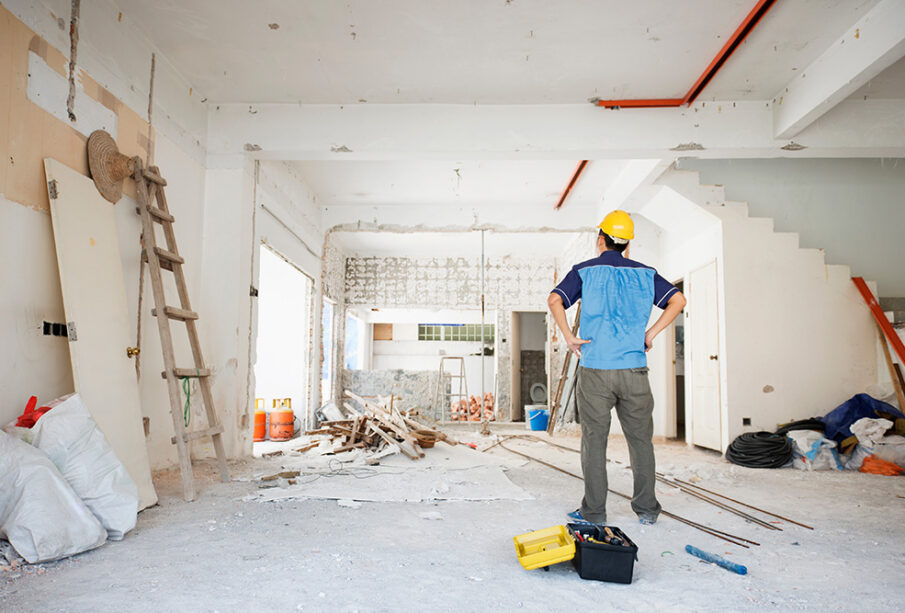
Home Improvement is more than a collection of small upgrades. It is a long term strategy for shaping a home that supports your lifestyle, increases property value, and strengthens everyday comfort. When homeowners plan carefully and understand how each improvement works within the broader structure of the home, they create a space that feels thoughtful, efficient, and durable. Engaging in Home Improvement early in a renovation or even during seasonal maintenance makes it easier to avoid costly problems later and ensures that each investment has meaningful purpose.
Many homeowners approach their first projects by focusing on surface level upgrades, yet the most valuable work often begins behind the walls and under the floors. A strategic plan for enhancements improves functionality and protects your property from future repair risks. When you evaluate structural integrity, energy efficiency, and long term usability, you can make decisions that lead to a healthier and more adaptable living environment.
Understanding the Foundation of a Well Planned Home
Before moving toward visible upgrades, it is important to understand the structure of your home and how each system contributes to overall performance. A house is a network of interdependent components. When one element weakens, it often affects several others over time.
Key Structural Elements to Review
- Roof condition and ventilation
- Wall framing and load bearing layout
- Insulation in attics, crawl spaces, and exterior walls
- Plumbing age and material quality
- Electrical panel capacity and outlet placement
- Foundation stability and moisture control
Assessing these areas early in any Home Improvement plan ensures that cosmetic work is not covering up deeper issues. Many homeowners prioritize new flooring or paint, but the most successful long term transformations occur when the internal systems are verified and upgraded as needed.
Designing a Home That Adapts to Your Lifestyle
A well designed home reflects how you live. Whether you need better storage solutions, multi functional rooms, or accessible layouts, thoughtful planning prevents expensive corrections later.
Creating Practical Living Zones
Dividing your home into zones can improve flow, support daily routines, and reduce clutter. Consider how these zones work within your layout:
- Work and study zones with adequate lighting and ergonomic setups
- Entertainment and relaxation areas with controlled noise levels
- Dedicated storage systems that minimize overflow
- Cooking and meal prep areas that allow efficient movement
Even small layout adjustments can support better habits. For example, creating a built in bench and hooks near an entry point can reduce clutter from shoes, backpacks, or coats. Similarly, expanding kitchen counter space with a functional island supports cooking efficiency and social interaction.
Planning for Future Needs
Forward thinking is one of the most valuable steps in Home Improvement. A space designed for long term flexibility reduces the need for future major renovations.
Key considerations include:
- Anticipating family size changes
- Preparing for remote work or hybrid work trends
- Adding features that support aging in place
- Selecting durable materials that extend the lifespan of finishes
By adopting a mindset centered on adaptability, homeowners avoid the trap of trendy improvements that may become outdated quickly.
The Role of Energy Efficiency in Long Term Home Value
Energy efficient upgrades improve comfort, reduce monthly expenses, and increase property value. Many improvements pay for themselves over time while contributing to a more environmentally responsible home.
Energy Efficient Projects Worth Prioritizing
- High grade insulation in attics and exterior walls
- Modern double pane or triple pane windows
- Updated HVAC systems with zoning and smart thermostats
- Weather stripping and air sealing around doors and windows
- Energy efficient water heaters or tankless systems
- LED lighting and motion sensitive fixtures
These upgrades often provide immediate benefits. For example, improved insulation reduces temperature fluctuations and lowers heating and cooling costs. A modern HVAC system can create balanced air distribution and reduce humidity issues that might otherwise compromise indoor air quality.
Enhancing Kitchen and Bathroom Functionality
Kitchens and bathrooms have the strongest impact on property value and daily comfort. Their structural components are used heavily and require careful selection of materials, fixtures, and layouts.
Kitchen Improvements That Increase Long Term Value
A practical kitchen goes beyond aesthetics. Homeowners should consider:
- High durability countertops such as quartz or sealed natural stone
- Soft close cabinetry with adjustable shelving
- Deep sinks and high arc faucets for improved usability
- Pantry systems that maximize vertical storage
- Under cabinet lighting for task illumination
A well planned kitchen supports food preparation, encourages healthier cooking habits, and reduces clutter. Even small changes such as adding pull out drawers inside lower cabinets can significantly improve accessibility.
Bathroom Upgrades That Add Function and Comfort
Bathrooms require moisture resistant materials and reliable plumbing. Consider upgrades such as:
- Large format tile with sealed grout for easier maintenance
- Ventilation systems with humidity sensors
- Walk in showers with frameless glass
- Heated flooring for comfort in colder seasons
- Water efficient toilets and faucets
Improving ventilation is especially important since moisture is a leading cause of mold and structural damage. A bathroom with proper airflow will maintain its appearance and resist long term deterioration.
Improving Home Storage and Organization
Storage solutions often determine how comfortable and functional a home feels. Many homeowners underestimate how much space can be optimized with thoughtful planning.
Creative Storage Enhancements
- Built in shelves to reduce reliance on free standing furniture
- Closet systems with adjustable rods, drawers, and organizers
- Under stair storage conversions
- Garage cabinets and ceiling mounted racks
- Laundry room additions such as folding counters and drying rails
Organized spaces reduce stress and maximize available room without requiring full scale renovations.
Boosting Curb Appeal for Lasting First Impressions
Exterior improvements influence property value and enhance pride of ownership. Small adjustments can transform how the property is perceived.
Exterior Enhancements That Matter
- Updated front door with quality hardware
- Carefully placed outdoor lighting
- Fresh paint in neutral tones
- Improved landscaping with drought tolerant plants
- Clean pathways and refinished driveway surfaces
Curb appeal affects the emotional connection people form when approaching the home. A welcoming exterior can make the entire property feel more composed and well maintained.
Using Smart Technology to Modernize the Home
Smart home technology has become a valuable addition to Home Improvement projects. These systems provide convenience, safety, and energy savings.
Popular Smart Home Additions
- App controlled thermostats that learn your schedule
- Video doorbells and motion activated security lighting
- Smart locks with temporary access codes for guests
- Automated blinds that respond to sunlight
- Water leak sensors near appliances or pipes
Integrating technology must be done thoughtfully to avoid clutter and incompatible systems. When devices complement each other, the home becomes more intuitive and easier to manage.
Outdoor Living Enhancements for Functional Space
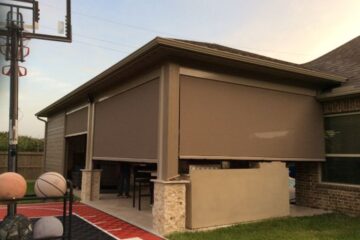
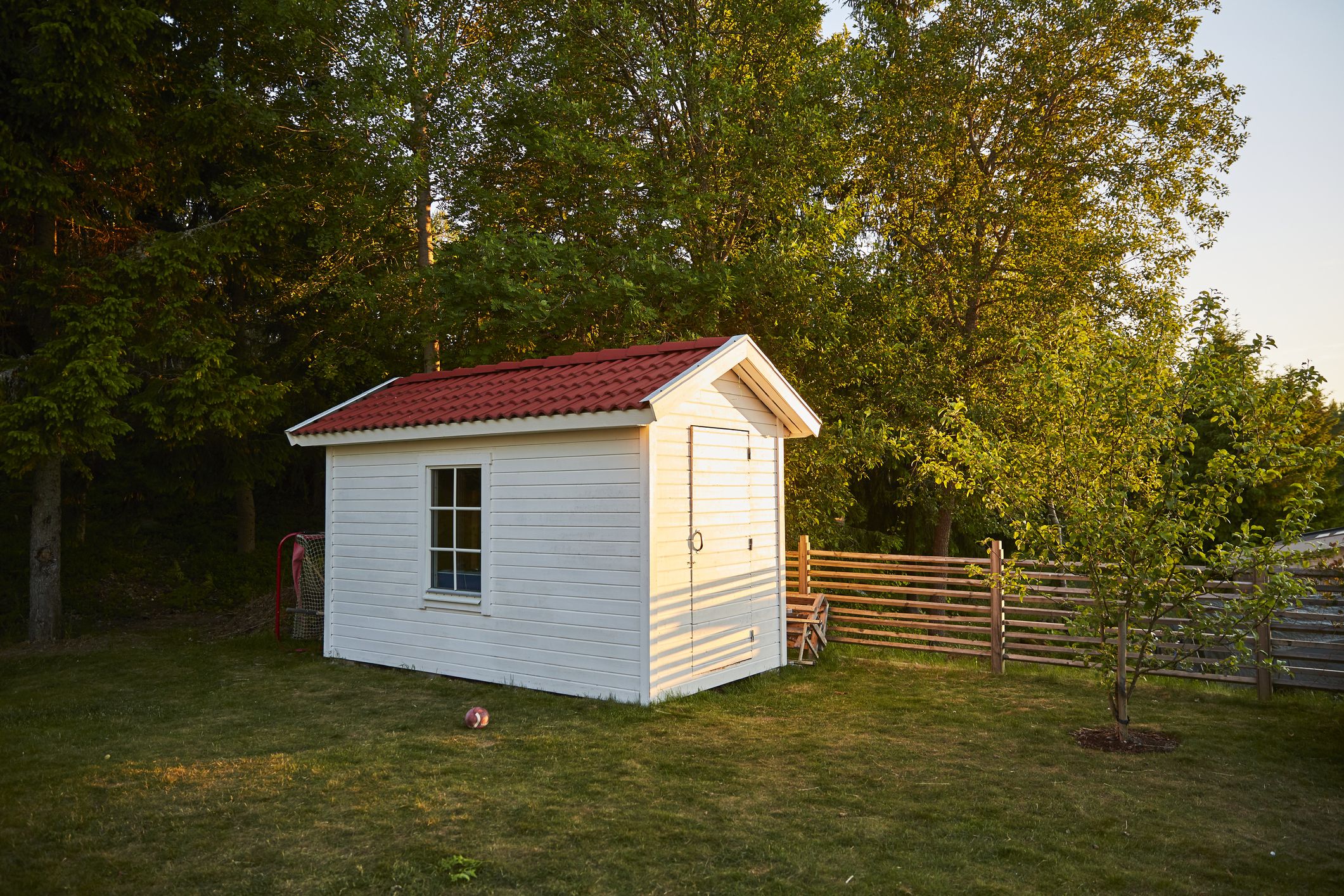
Outdoor areas can significantly increase a home’s usable square footage. Creating a functional outdoor, or space supports recreation, relaxation, and social gatherings. Creating a functional outdoor area may involve adding a sunroom in Edmonton, or elsewhere, which allows you to enjoy natural light and outdoor views year-round while staying protected from the elements. Homeowners can also explore other options, such as building a covered patio for lounging and dining, installing a pergola to provide partial shade, or adding a fully equipped outdoor kitchen for entertaining guests. Even a simple deck with comfortable seating or a screened-in porch can transform unused yard space into a cozy, multi-purpose extension of your home. These upgrades not only enhance daily living but also increase the overall value and appeal of the property.
Functional Outdoor Additions
- Covered patios or pergolas for shade and weather protection
- Outdoor kitchens with durable countertops
- Fire pits or heaters for cool season use
- Multi level decks that define separate activity areas
- Quality furniture built to withstand seasonal shifts
An inviting outdoor space encourages more frequent use and improves overall lifestyle quality.
Maintaining the Home After Improvements
Even the most well executed upgrade requires ongoing care. Establishing maintenance routines protects your investment and extends the lifespan of all improvements.
Maintenance Tasks to Prioritize
- Seasonal HVAC servicing
- Annual roof and gutter inspections
- Re caulking bathrooms and windows
- Testing smoke detectors and carbon monoxide devices
- Refreshing protective exterior coatings when needed
Regular maintenance ensures that a home’s performance remains consistent over time. Neglecting small issues often results in larger, more costly problems.
Frequently Asked Questions
How do I budget effectively for a major home renovation?
Break the project into phases and allocate funds to the most essential systems first. Build a contingency fund of at least ten to fifteen percent to cover unexpected issues. Evaluate material quality and labor costs carefully and avoid rushing decisions.
What improvements typically offer the best return on investment?
Kitchens and bathrooms tend to produce strong returns when upgraded with durable materials and functional layouts. Energy efficient upgrades such as insulation and modern HVAC systems also yield long term savings.
How can I improve a small home without making structural changes?
Focus on storage optimization, lighter color schemes, improved lighting, and multi functional furniture. These changes enhance flow while maintaining the existing layout.
Should I upgrade my home before selling it?
Selective improvements can strengthen buyer interest. Minor renovations such as fresh paint, updated lighting, and improved curb appeal often yield measurable results without large costs.
What is the best approach to selecting contractors?
Research experience, verify licensing, review past project photos, and request itemized estimates. Clear communication and written agreements ensure expectations are aligned from start to finish.
If you want, I can expand this article, tailor it to a specific audience, or create a version focused on particular projects or home types.