Flat vs. Eggshell Paint: Choosing the Right Sheen for High-Traffic Walls
Choosing an interior paint color usually gets all the attention, but sheen quietly determines whether a room looks pristine for years or starts showing wear within months. When dealing with high-traffic zones—hallways where kids drop backpacks, stairwells with brushing shoulders, entryways catching wet coats, or busy living rooms—the debate almost always comes down to flat versus eggshell.
Both finishes have dedicated followings among interior designers and homeowners, but they perform very differently under real-world pressure. Selecting the wrong one can lead to constant scuffing, uneven cleaning marks, or an unwanted glare that highlights every flaw in your drywall. To pick the right finish, you need to look past color swatches and understand the trade-offs between light absorption, cleanability, and structural durability.
The Chemistry Behind Sheen: Why Durability Varies
To make an informed choice, it helps to understand what sheen actually is. Paint is primarily composed of pigment particles, binders, and solvents. The ratio of pigment to binder dictates the final finish.
Flat paint has a very high ratio of pigment to binder. When the paint dries and the solvent evaporates, microscopic peaks of pigment remain exposed on the surface. Because the surface is irregular at a microscopic level, incoming light scatters in all directions. This creates a non-reflective, soft-focus effect that conceals surface imperfections. However, because there is less binder holding everything together in a tight, sealed film, the surface remains porous.
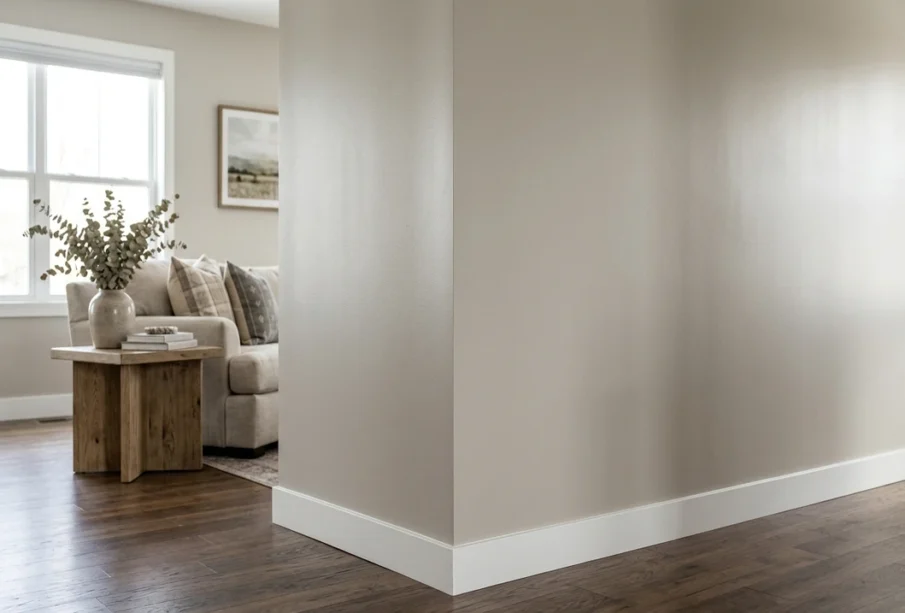
Eggshell paint contains a higher concentration of resin binder. As it dries, the binders knit together into a smoother, less porous protective barrier. Light bounces off this uniform surface more directly, creating a soft, low luster comparable to the shell of a chicken egg. That tighter film prevents stains, oils, and moisture from penetrating deep into the dried paint layer, which fundamentally alters how the wall responds to contact and cleaning.
Flat Paint: The Master of Camouflage
Flat paint, often categorized alongside matte paint, is prized for its visual elegance. It imparts a velvet-like, saturated appearance that gives colors exceptional depth, especially in dark, moody palettes.
Strengths in Interior Spaces
The primary advantage of flat paint is its ability to hide drywall imperfections. Older homes with settled framing, uneven mudding, tape seams, nail pops, or patched plaster benefit dramatically from a flat sheen. Because it reflects practically zero light, it refuses to cast shadows around uneven areas, making flawed walls look flat, smooth, and professionally finished.
Touch-ups are also seamless with flat paint. When a wall gets damaged, you can typically feather fresh paint over the affected spot with a brush or small roller. Because there is no directional luster to align, the patched area blends invisibly with the surrounding wall, eliminating the need to repaint the entire surface from corner to corner.
Weaknesses on Busy Walls
Despite its aesthetic appeal, traditional flat paint is notoriously vulnerable in busy areas. Because its surface is porous, dirt, grease from hands, and scuffs from shoes sink into the finish rather than sitting on top.
Attempting to scrub flat paint with a damp rag or sponge often causes two distinct problems:
-
Pigment removal: The pigment wears away quickly, exposing the primer or undercoat beneath.
-
Burnishing: The friction of rubbing polishes the rough pigment peaks flat, creating an irregular, shiny spot that permanently ruins the uniform matte texture.
Once flat paint is burnished, washing cannot fix it. The only remedy is repainting. While modern paint manufacturers have developed premium washable matte formulas using advanced ceramic resins, standard builder-grade flat paint remains fragile on high-contact walls.
Eggshell Paint: The Workhorse of Busy Homes
Eggshell occupies the sweet spot between zero-luster flat paint and noticeable satin. It provides enough surface protection to handle daily life without creating the plastic, mirror-like reflection often associated with semi-gloss or gloss finishes.
Strengths on High-Contact Surfaces
Eggshell’s closed resin film makes it far more durable than flat finishes. When dirt, mud, or food splatters hit an eggshell wall, the residue sits on the hard exterior film rather than soaking into the core of the paint.
This makes eggshell exceptionally easy to wipe down. A soft microfiber cloth, warm water, and mild dish soap can lift grease, fingerprints, pet smudges, and pencil marks without degrading the finish. Eggshell resists burnishing under moderate cleaning, meaning you can maintain your walls regularly without leaving behind permanent shiny patches.
The subtle sheen also adds dimension to architectural details. Light plays gently across corners and trims, creating visual interest and preventing large rooms from looking washed out or chalky.
Weaknesses to Consider
The same light-reflecting property that makes eggshell durable makes it unforgiving of bad drywall. If your hallway has bulging joints, rough patches, or poor sanding marks, an eggshell finish will catch the ambient light and highlight those flaws like a spotlight.
Eggshell is also difficult to touch up locally. If you dab new paint onto a small scrape in the middle of a wall, the new paint will dry with a slightly different sheen angle and thickness than the cured paint around it. The result is a noticeable flashing effect that can only be fixed by rolling the entire wall from corner to corner.
Key Decision Factors for High-Traffic Areas
To decide between flat and eggshell for your project, evaluate the specific physical conditions and habits of your household.
Household Demographics and Daily Activity
A high-traffic hallway in an adult-only condo faces completely different stresses than a hallway in a home with toddlers, large dogs, and active gear. If your walls regularly encounter sticky fingers, outdoor toys, muddy paws, or heavy foot traffic, eggshell is the safer, more practical investment. If you live in a quiet environment where traffic simply means walking through a room without touching the walls, you have more leeway to prioritize the aesthetic qualities of flat paint.
Natural and Artificial Lighting
Lighting conditions influence sheen appearance dramatically:
-
Direct, raking light: Hallways running parallel to large windows or staircases with overhead downlights direct light across the wall surface at sharp angles. In these areas, eggshell can produce harsh glare and exaggerate every bump or ridge.
-
Diffused light: In rooms with balanced, indirect natural light or ambient fixtures, eggshell glows gently without highlighting wall defects.
If a corridor is flooded with harsh directional light, premium washable flat or matte paint may be preferable to keep the wall from looking wavy.
The Condition of the Substrate
Inspect your drywall before buying paint. If you are painting brand-new drywall that has been finished to a high standard, eggshell will look smooth, clean, and modern. If you are renovating an older home with wavy plaster, past repairs, and textured patches, flat paint will mask those structural flaws far better.
Room-by-Room Breakdown for Busy Spaces
Different high-traffic zones present unique maintenance challenges.
Hallways and Entryways
Foyers, mudrooms, and hallways experience heavy physical friction. Shoulders rub against walls, coats brush past, and groceries bump into corners. Eggshell is the clear winner here. Its washability protects against scuffs from shoes and bags, and its surface wipes clean after bad weather brings mud and moisture indoors.
Stairwells
Stairways present high physical contact alongside high visual scrutiny. People routinely steady themselves by touching the walls, leaving body oils behind. At the same time, staircases often have high walls illuminated by bright pendant lights or high windows.
If handrails are present and walls stay relatively untouched, a high-end washable flat finish helps conceal the long drywall seams common in two-story staircases. However, if the stairwell lacks a second handrail and hands frequently touch the plaster, eggshell is necessary to prevent oily wear marks.
Family Rooms and Playrooms
Living spaces need to balance warmth and durability. Standard flat paint in a playroom will be ruined within months by crayons, toys, and food. Eggshell provides enough scrub resistance to survive childhood messes while maintaining a warm, comfortable look under evening lamplight.
Making the Final Decision
Choosing between flat and eggshell comes down to which compromise you prefer to manage. Choosing flat paint means accepting that physical wear cannot be washed away easily and that you will need to keep leftover paint on hand for periodic touch-ups. Choosing eggshell requires spending extra time preparing and smoothing your drywall, but rewards you with a surface that can be cleaned repeatedly with a damp cloth.
For genuine high-traffic zones where walls are touched, scraped, and bumped on a daily basis, eggshell remains the industry benchmark. It offers the practical durability required for modern family living while keeping gloss levels low enough to preserve an inviting, comfortable home aesthetic.