
3 Tips For Safely Using A Generator At Home
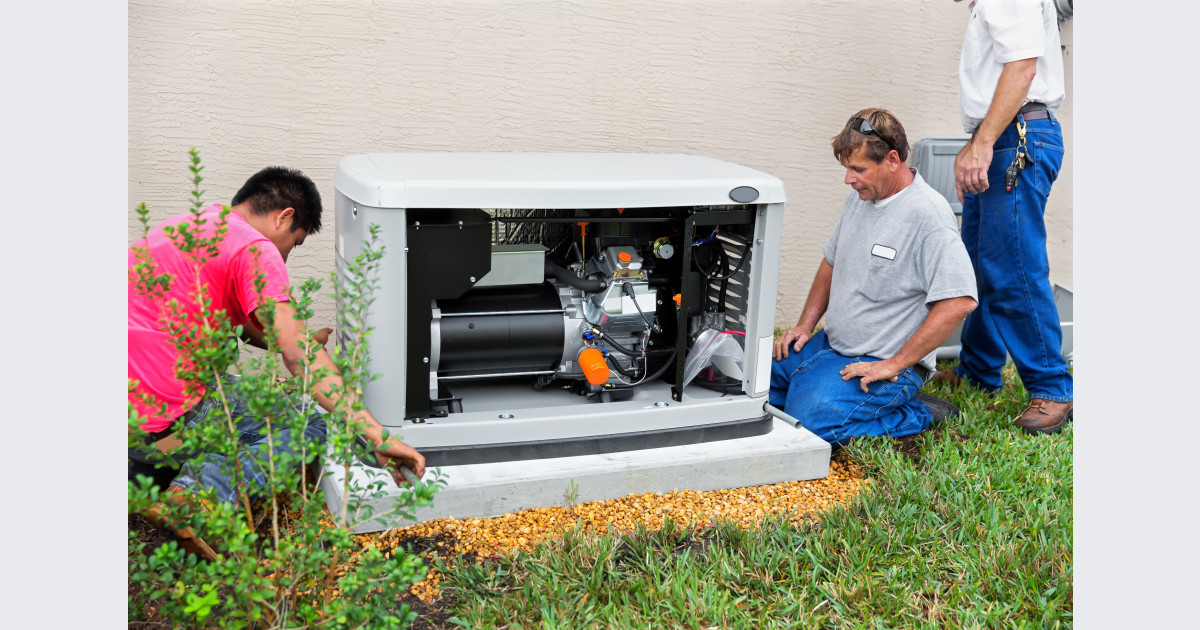
While no one likes to think about a future time when they won’t have power for one reason or another, if this ever does become the case at your house, it’s always good to have a backup generator available to help you run the necessities. However, running a backup generator isn’t always as easy as you might like to think, especially if you’re running it at your home.
To help ensure that you’re able to get the power you need without putting your home or family in danger, here are three tips for safely using a generator at home.
Never Use A Generator Indoors
One of the very first and most important things that you must know about operating a generator at home is that you should never use that generator indoors whatsoever.
Ideally, you should keep your generator at least 15 feet away from any structure. And when you’re positioning the generator, make sure you aim the exhaust away from any doors, windows, or places where people may be congregating, as the carbon monoxide levels can be very dangerous. Even running your generator in a partially enclosed building can be dangerous, so make sure that you’re putting your generator in a safe area where it’s going to have good airflow around it.
Keep All Water Away From The Generator
When deciding where to situate your generator while using it, you’ll want to be very careful about keeping all water away from it. If your generator gets wet, it could easily electrocute anyone who gets too close to it .
To keep your generator dry, you may want to string up a tarp or other material over it so that no rain or other water can get on it. And if you’re going to be touching the generator for any reason, make sure your hands are dry.
Be Smart About Fuel
Keeping your generator properly fueled will help ensure that you’re able to use the generator as it should be.
To be ready for anytime you’ll need your generator, you should keep a stock of fuel on-hand. Only store your fuel in containers that are made to hold that particular type of fuel. And when you’re putting the fuel in storage, be sure you keep it away from anything hot or any kind of fire.
When you’re ready to refuel your generator, it’s vital that you allow the generator some time to cool off before you pour more fuel into it, as this will help keep any fuel from igniting if it accidentally gets spilled onto the generator rather into the fuel tank.
If you’re wanting to get a generator that you can use at home during times of emergencies or power outages, consider using the tips mentioned above to help you store and operate this piece of machinery safely.