Floating Dock Care After a Storm: What Waterfront Owners Should Check
A storm can leave a dock looking mostly unchanged while loosening hardware or shifting parts of the system. A careful check after severe weather helps waterfront owners decide whether the dock is ready for regular use or needs professional attention. The inspection should be visual and cautious: if anything appears unstable or damaged, keep people off that area and contact a qualified dock professional.
Begin From a Safe Vantage Point
Start on shore and look over the dock before stepping onto it. Check whether the dock appears out of alignment, whether the gangway still meets the landing properly, and whether any section is visibly tilted, separated, or displaced. Look for debris that could block the route between shore and the dock.
Do not test a questionable section by walking across it or trying to force a connection back into place. Water movement, hidden damage, or a loose anchoring point can make a dock behave differently than it appears from shore.
Look Over the Main Components
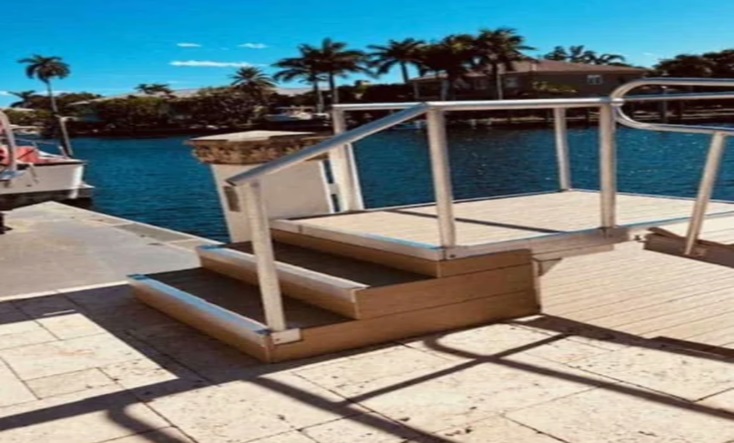
If the dock appears stable enough for a closer visual check, inspect the walking surface for lifted panels, cracks, or other obvious damage. Look at the connections between sections and note hardware that seems loose, bent, or missing. Check the floats for visible damage and observe whether the dock sits unusually low or unevenly in the water.
Also review the anchoring points and the gangway connection from a safe position. These parts help keep the dock aligned and provide the route between land and water. If a connection has shifted or a component appears damaged, leave adjustments to a trained professional.
Record Changes and Compare Over Time
Take dated photos from consistent points on shore. A simple record can help you notice changes in alignment, surface condition, or hardware that may be difficult to spot during a quick visit. Write down when the storm occurred and any unusual movement or noise you observed.
A visual review is not a substitute for a professional inspection. If the dock has shifted, a section moves unexpectedly, a float is damaged, or a connection looks compromised, avoid using the affected area until it has been assessed. Follow any local guidance or instructions from your dock provider after severe weather.
Plan Repairs or Upgrades Before the Next Storm
Storm checks can also reveal maintenance needs that were already developing. Repeatedly loose connections, worn surfaces, or access issues may call for repair or a broader review of the dock system. Keeping notes and photos makes it easier to explain what changed and where professional attention may be needed.
Supreme Marine provides floating dock maintenance, inspections, repairs, and upgrades in addition to designing, building, and installing dock systems. Property owners can discuss the condition of an existing dock with the team and ask what next steps fit their site. Learn more at SupremeFloatingDocks.com.
A post-storm check is a practical way to spot visible changes and make informed decisions about dock use. When there is any uncertainty about stability or damage, have the system assessed before returning to normal activity.